


 Abstract
 HTML
HTML Reference
 Related
 PDF
PDF


HTML
-
A white neutron beam facility (the so-called Back-n white neutron source) was built at the China Spallation Neutron Source (CSNS) [1-4]. It employs back-streaming neutrons from the proton beam channel to the spallation target, which has properties of high neutron flux, wide energy spectrum, and good time structure for time-of-flight measurements. The CSNS facility is based on a high-power pulsed proton accelerator complex that delivers a proton beam of 25 Hz repetition rate, 1.6 GeV kinetic energy, and 100 kW beam power in the first phase [5-7]. Since its completion in March 2018, the accelerator gradually increased the beam power and reached the design goal of 100 kW in February 2020. In the upgrading phase (CSNS-II) that is planned to start in the next few years, the beam power will be further increased to 500 kW. The Back-n facility that was supported by a consortium of five institutions led by Institute of High Energy Physics, CAS, completed the basic construction simultaneously with the general CSNS project, and the spectrometers for nuclear data measurements have been built up gradually.
As the first high-performance white neutron source in China, Back-n provides an unprecedented platform for neutron-induced nuclear data measurements. With the already available spectrometers at Back-n, five types of cross-section measurements concerning neutron capture cross-sections, fission cross-sections, total cross-sections, light charged particle emissions, inelastic cross-sections (or in-beam gamma spectroscopy), and about forty nuclides were carried out in the last two years. This article presents a review on the experimental setups and analysis of results.
-
Back-n neutrons are emitted directly from the spallation target. They are only slightly moderated by the cooling water passing through tungsten target slices and thus form a typical white neutron beam with a very wide energy spectrum spanning from meV to a few hundreds of MeV, with a peak at approximately 1 MeV. The pulse repetition rate of 25 Hz and a good time structure for the proton pulses make the neutron time structure suitable for employment of the time-of-flight method to determine the energy of the neutron. To avoid the overlapping between consecutive pulses from very low energy neutrons, a Cadmium foil of 1 mm in thickness can be placed in the beamline to absorb the neutrons with energy lower than 0.3 eV. Two endstations (ES#1 and ES#2) were designed to host different spectrometers to meet the requirements for different experiments, with a flight distance from the spallation target of approximately 55 and 76 m, respectively, as shown inFig. 1. A combination of the neutron shutter and two collimators located along the beamline with different apertures provides different beam spot sizes with a good uniformity at the sample positions of the two endstations. Among them, the spot sizes of ϕ30 mm and ϕ60 mm at ES#2 were particularly designed for nuclear data measurements. The measurements on the beam characteristics confirm the design and simulation results [8]. The measured neutron energy spectra are shown inFig. 2[9-10], and the neutron fluxes at different flight distances and with different spot sizes are listed inTable 1.Figure 3shows the time resolutions with different accelerator operation modes [2]. With a sophisticated shielding design [11], both the neutron and gamma backgrounds are controlled at a low level to meet the experiment requirements for precise nuclear data measurements. However, some experiments show that the scattered neutrons and gammas from experimental samples and even from the vacuum window foils represent the key interferences.
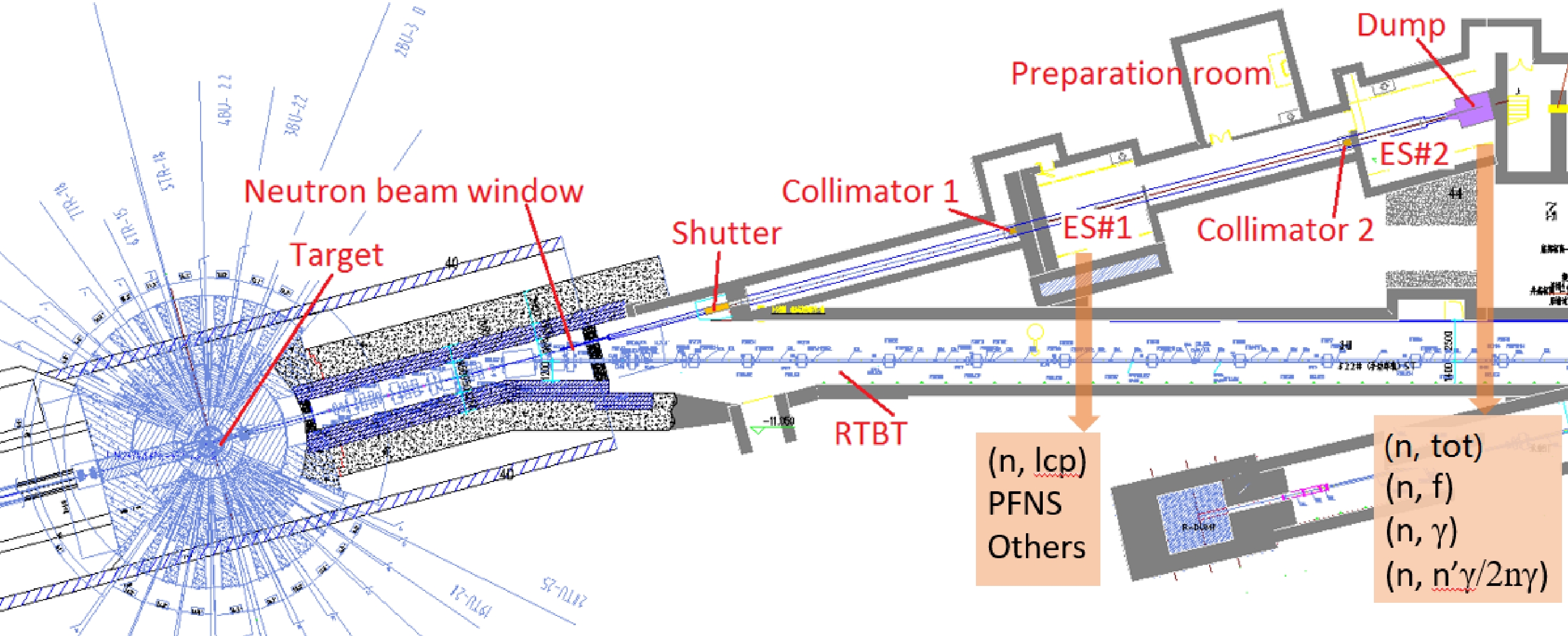
Figure 1.(color online) Back-n layout and experimental setup for nuclear data measurements.
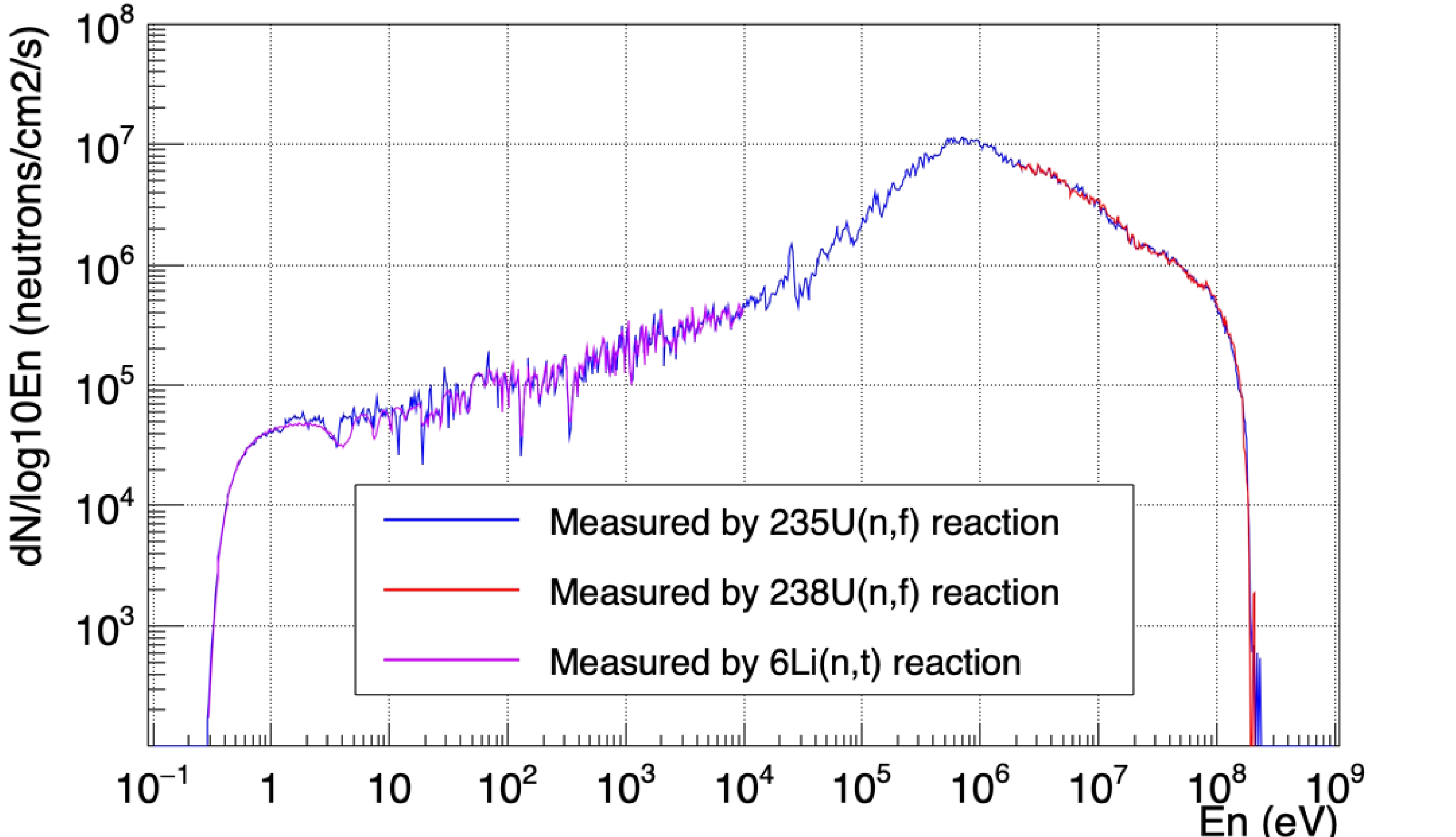
Figure 2.(color online) Measured neutron energy spectrum at 55 m from spallation target (spot size: ϕ50 mm, proton beam power: 100 kW), using a fission ionization chamber (235/238U) and a Li-Si detector (6Li).
Shutter /mm Coll#1 /mm Coll#2 /mm ES#1 spot /mm ES#1 flux /(n/cm2/s) ES#2 spot /mm ES#2 flux /(n/cm2/s) Φ3 Φ15 Φ40 Φ15 1.3E5 Φ20 4.6E4 Φ12 Φ15 Φ40 Φ20 1.6E6 Φ30 6.1E5 Φ50 Φ50 Φ58 Φ50 1.6E7 Φ60 6.9E6 78×62 76×76 90×90 75×50 1.8E7 90×90 8.6E6 Table 1.Different sets of beam spots, collimator apertures, and neutron fluxes at Back-n with a proton beam power at 100 kW. Apart from the first set that provides neutrons at very low flux, all other aperture sets were optimized according to the definition of beam spot sizes at ES#2.
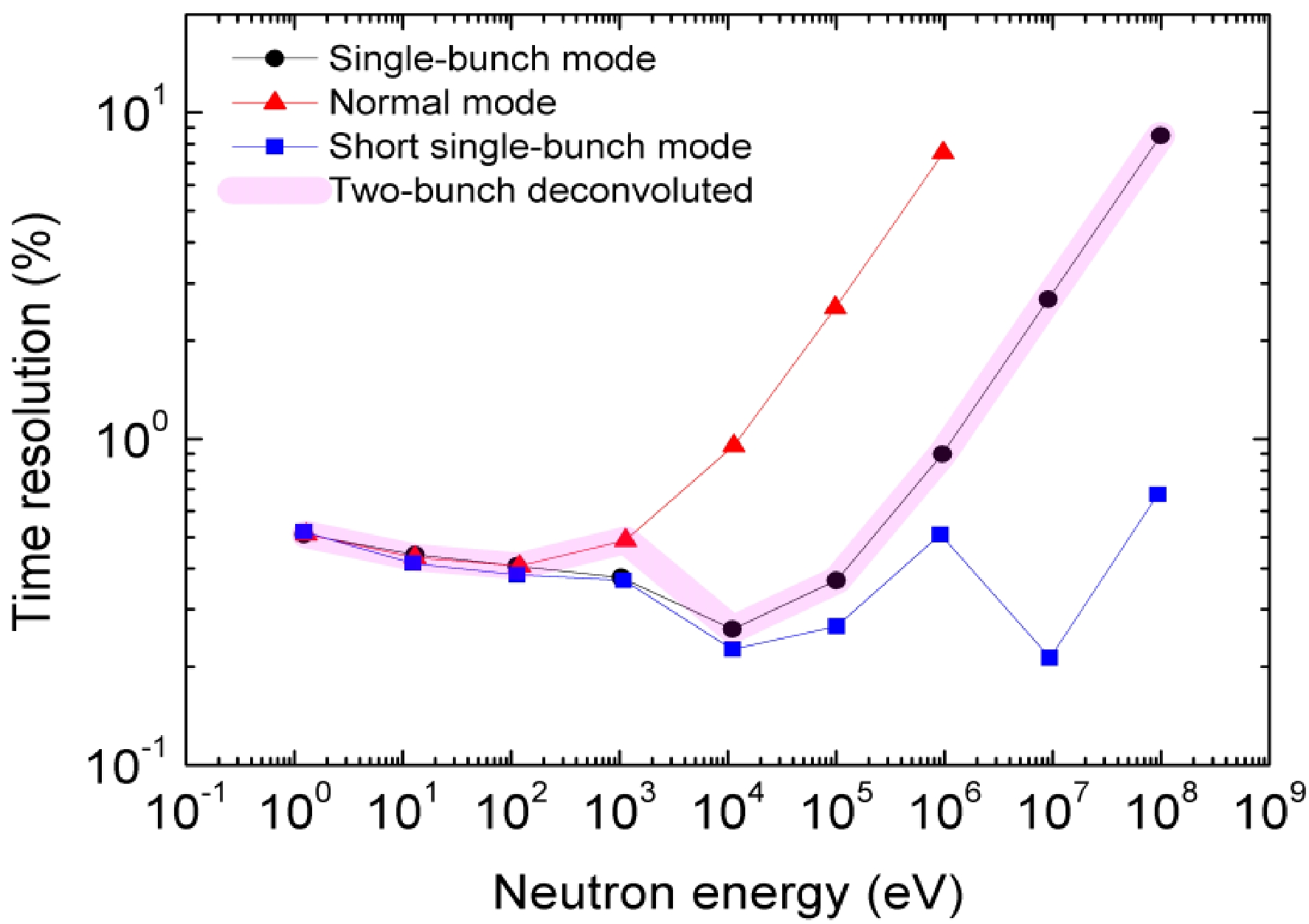
Figure 3.(color online) Simulated time resolution at 76 m from spallation target for different accelerator operation modes.
-
The (n,γ) reaction cross-sections are important data for the research and development of new generation nuclear energy systems and the study of nuclear astrophysics. For the former research field, the generation of long-lived nuclear waste in the reactors mainly depends on (n,γ) reactions and beta decays. Thus, (n,γ) reaction cross-sections of a series of nuclides are highly important for the design of the new generation reactors. For nuclear astrophysics, the synthesis of heavy elements above iron was considered as one of the 11 important basic problems in physics research in the beginning of the 21st century. In the solar system, thes-process is believed to contribute approximately half of the heavy element synthesis process, and the element synthesis of thes-process is realized mainly through neutron capture reactions. Therefore, the neutron capture cross-sections related to thes-process play an important role in predicting the abundance of heavy elements in the universe. The current data accuracy is still far from the demanded accuracy of 1-5%, especially in the mass regions withA< 120 andA> 180 [12].
In view of the importance of (n,γ) reaction cross-sections, we established the C6D6detector system [13-14] and the 4π barium fluoride (BaF2) detector array (GTAF-II), which was upgraded from the GTAF [15] according to the experimental requirements of Back-n for the measurement of (n,γ) reaction cross-section. The C6D6detector system (Fig. 4) consists of four deuterated liquid scintillation detectors, which have the advantages of high detection efficiency, insensitivity to low-energy neutrons, and simplicity. By introducing the weight function, the gamma detection efficiency is proportional to gamma energy, such that high-quality cross-section data of (n,γ) reaction can be obtained. GTAF-II is composed of 40-unit BaF2detectors (Fig. 5), which has a higher detection efficiency. The principle of the detection is that after a nuclide absorbing a neutron, the novel compound nuclide will be excited to a state of approximately 8 MeV and subsequently decay to the ground state through prompt gamma rays in a cascade. The total energy of the prompt gamma rays after the reaction is measured and the energy sum is a constant corresponding to the binding energy of (n,γ) reaction and the energy of the incident neutron. This detector system is actually a "calorimeter", such that it has high efficiency. The energy sum of approximately 8 MeV is not easily influenced by the background of environmental gamma rays. It is particularly suitable for the measurement of samples with low cross-sections and those occurring in micro-quantities.
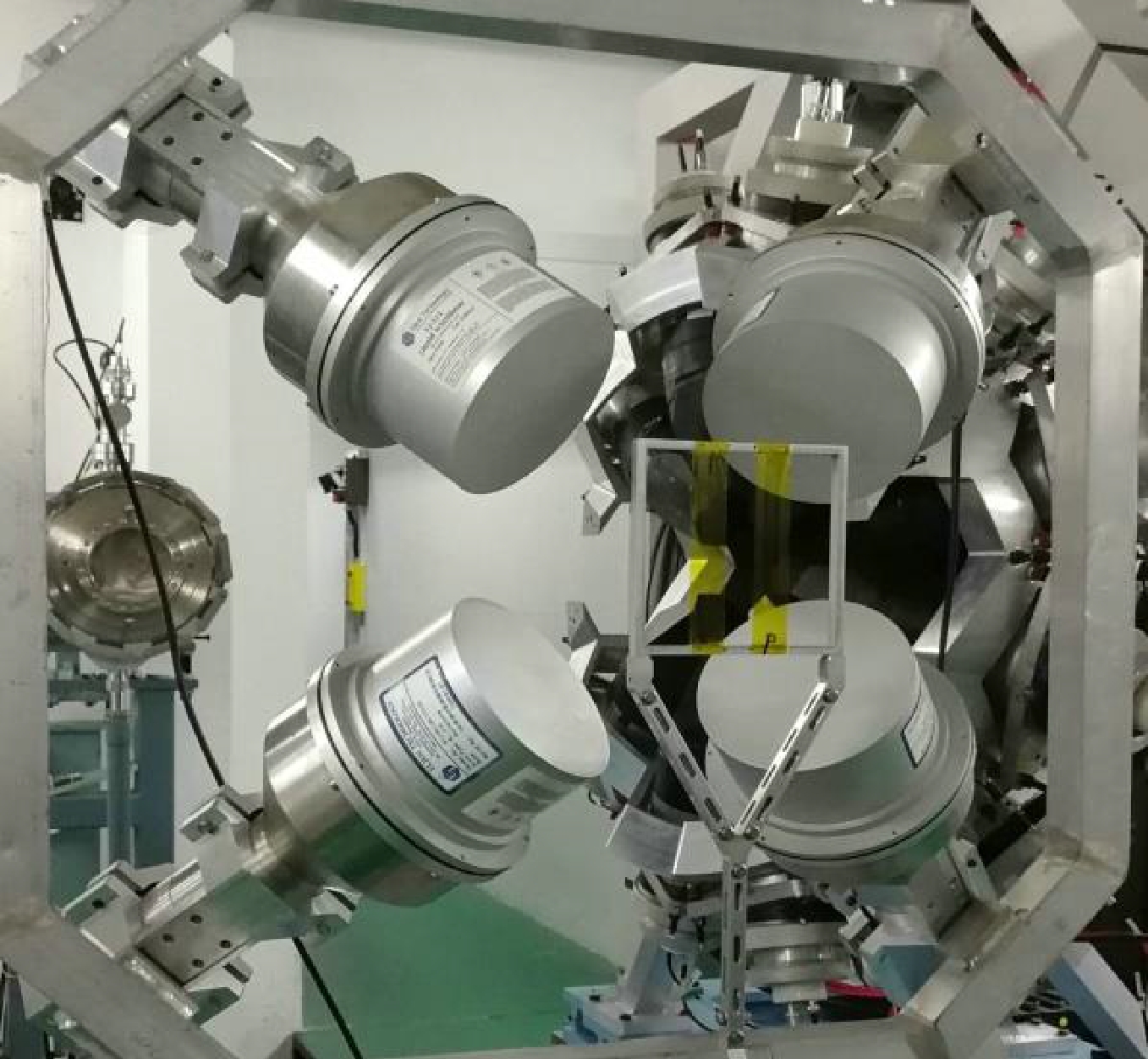
Figure 4.(color online) C6D6detector system on experiment at Back-n.
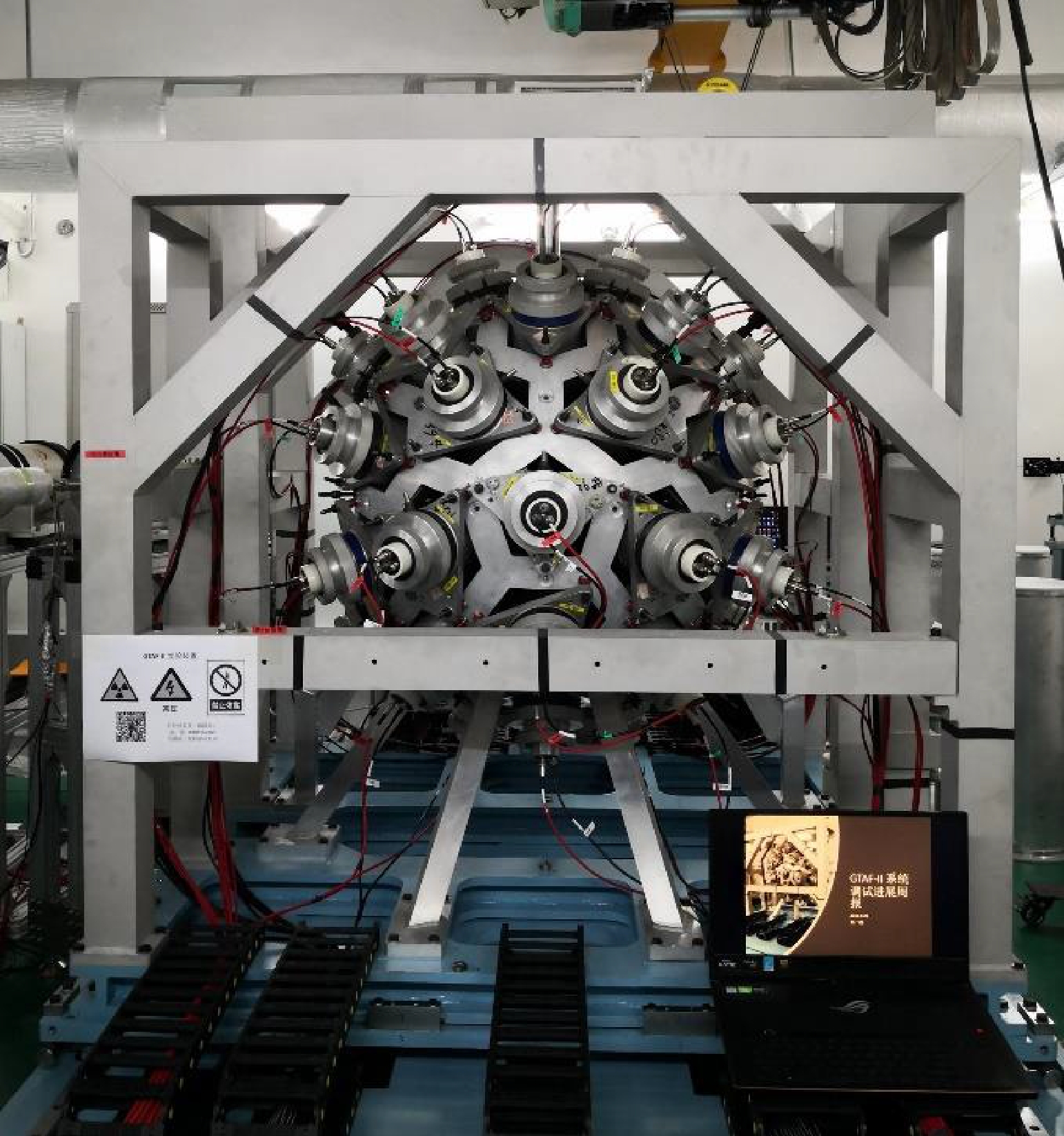
Figure 5.(color online) GTAF-II system on experiment at Back-n.
To date, the (n,γ) reaction cross-sections of more than 10 nuclides have been measured by the C6D6detection system, including169Tm,197Au,57Fe,natSe,89Y,natEr/162Er,232Th,238U,93Nb,natCu,natLu, and151,153,155Eu. For these samples,197Au is used to verify the detection system and the data processing procedure, since its (n,γ) reaction is a standard reaction.169Tm and89Y are commonly used for diagnosing the neutron field. The data of232Th and238U are important for new generation nuclear energy system development. Other samples are focused on the study of nuclear astrophysics. One part of the measurement results has been published [16] or is being prepared for publication. However, the majority of the measured data are still in the data analysis process. With (n,γ) reactions, the largest problem encountered in the measurement is that the gamma background is high, and the source is complicated, which affects the progress of data analysis. The most important background sources include the in-beam gamma background that generates scattered gammas from the sample, the background caused by scattered neutrons and the activation background in the hall. A detailed study has been carried out for the quantitative analysis of the background [17-18].Figure 6shows the background contributions from different sources by simulations. At the same time, in addition to accurately analyzing and subtracting the experimental background, how to reduce the latter and improve the signal to background ratio is the focus of future studies. On the one hand, to reduce the in-beam gamma background, a 60-mm thick lead block is added in front of the neutron shutter. The simulation results show that this measure can effectively improve the signal to background ratio of the experiments in the keV or lower energy region, and the accuracy of neutron energy determination by the time-of-flight method is almost not affected in the energy region below 1 MeV. On the other hand, the beam correlated background in the hall will be simulated more carefully, and targeted measures will be taken to further reduce the experimental background.
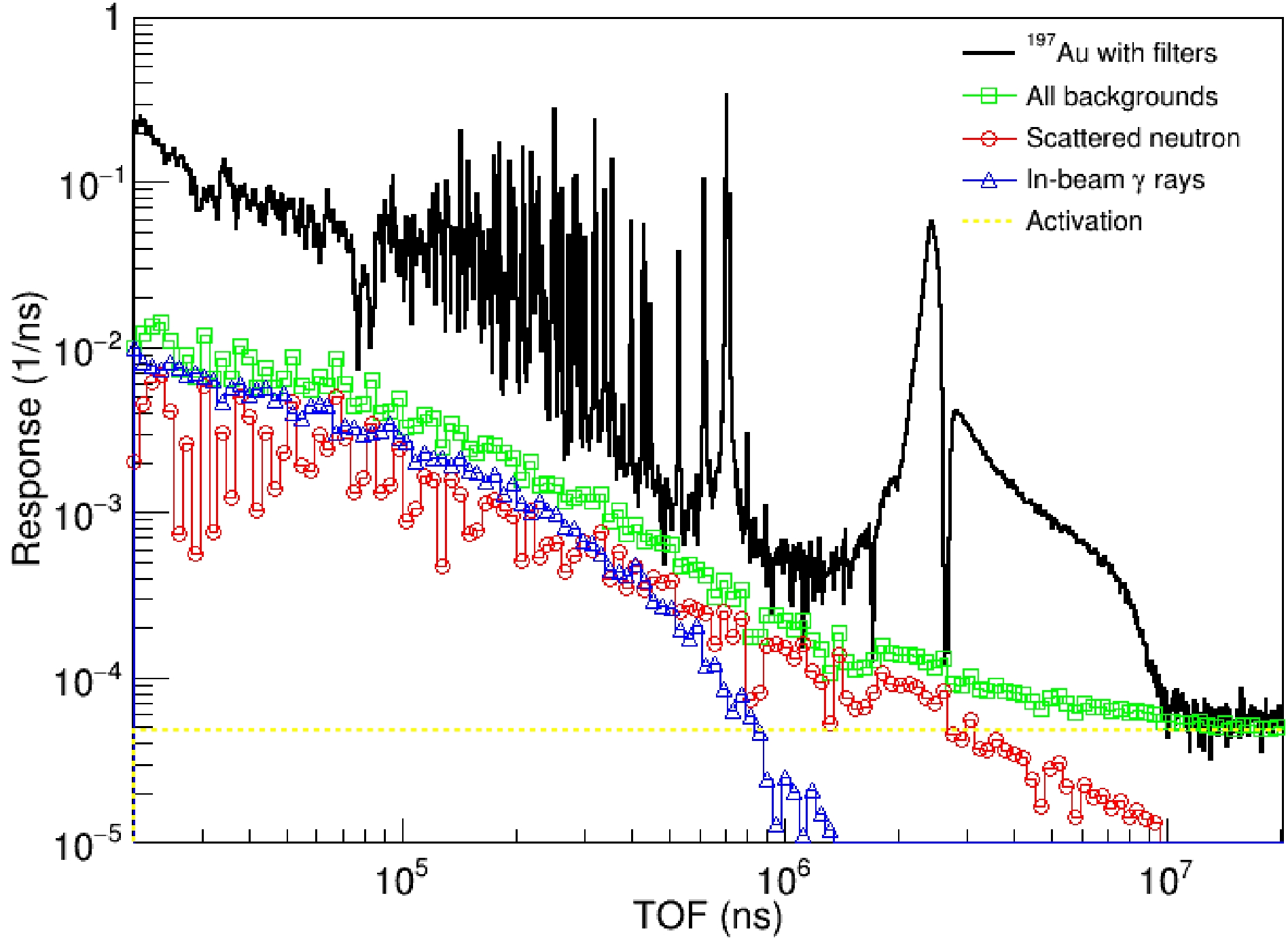
Figure 6.(color online) Background contributions from different sources for capture cross-section measurements.
The upgraded GTAF-II system was installed at the Back-n in 2019. Triplicate experiments were carried out, including197Au,169Tm, and238U. These experiments provide a good data basis for verifying the system. Presently, one part of the data analysis has been completed. The overall working condition of the detection system is good; however, the data rate in the data acquisition process is high, reaching the level of 80 MB/s. According to the analysis, a considerable part of the data are useless false events. Therefore, the next step will focus on the improvement of detector signal processing and trigger algorithm to enhance the ability of real event discrimination.
-
The neutron induced fission cross-sections are of great significance for the design of nuclear devices and advanced reactors for the nuclear energy production, such as ADS or the use of Th-U fuel cycle [19]. Further, the theoretical model of fission and data evaluation also requires experimental results with sufficiently high quality. The requirements, such as higher precision and a wider energy region, are put forward for more comprehensive measurements of fission cross-sections [1]. The international mainstream method of measuring fission cross-sections involves using the multi-cell fast fission ionization chamber and the time-of-flight (TOF) method in combination with a white neutron source. Owing to the advantages of the wide neutron spectrum and the high neutron flux at Back-n, fission cross-sections in a wide energy region are obtained in a single experiment using a Fast Ionization Chamber Spectrometer for Fission Cross-Section Measurement (FIXM). In the past three years, the fission cross-sections of236U,238U,232Th, and239Pu relative to235U were measured with FIXM. The fission cross-section of232Th relative to H(n,p) reaction was also studied with the combination of FIXM and LPDA, as described in Sec. VI.
-
FIXM was established as a Day-one spectrometer at Back-n [20-21]. It consists of a dedicated multi-cell fast fission ionization chamber (FIC), front-end electronics, general-purpose readout electronics [22-23], data acquisition (DAQ) system, and peripheral supporting system. FIXM was mounted at ES#2, as shown inFig. 7.
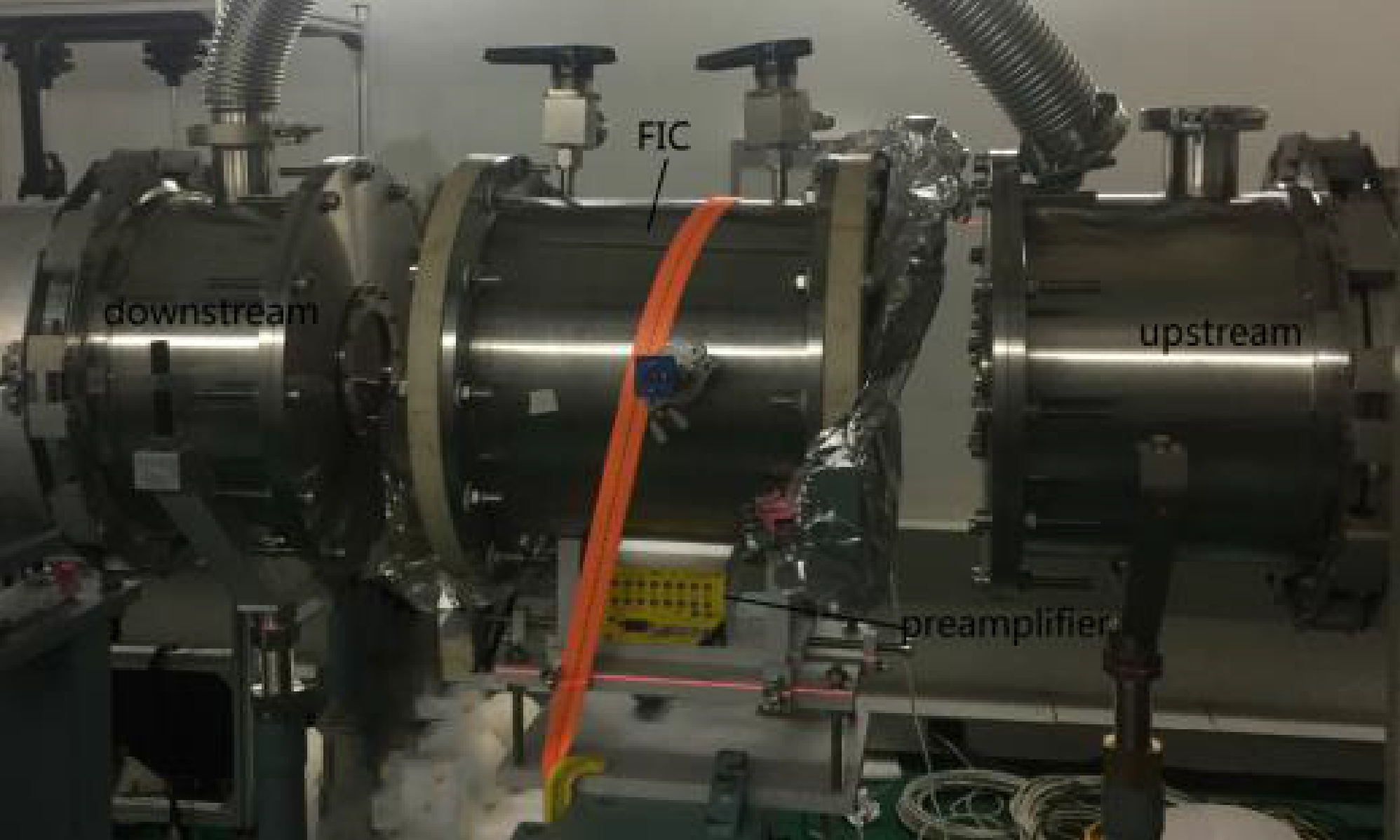
Figure 7.(color online) FIXM in Back-n beamline.
The FIC with a stainless steel shell of ϕ300 mm × 300 mm and 5 mm in thickness was used as the first version in the beginning. It consists of eight independent cells, including seven cells of fission materials and one blank cell, where each cell consists of two electrodes of ϕ80 mm and a gap of 5 mm. The chamber is filled with 800-mbar pressure P10 gas (90% Ar and 10% CH4). A stainless-steel or aluminum foil electroplated with a high-purity fission material serves as the cathode, while the anode is made of aluminum. The aluminum anode collects ionization signals by connecting to an 8-channel preamplifier Mesytec MSI-8, where the gain of each channel can be independently adjusted. The output signals of MSI-8 are fed into the common readout electronics and DAQ.
The non-uniformity of the deposit as thin fission sample (<300 μg/cm2) on the foil was measured using an alpha-sensitive imaging plate. The diameter of the deposit is approximately 50 mm, which is measured exactly by the imaging method. The mass of the deposit is determined by the α-particle spectra measured with a PIPS semiconductor detector in a small solid angle device, and the uncertainty is less than 2% [24].
The time resolution of the detection system was 5.7 ns from the experiment at the D-T neutron source, and the rise time of fission fragment signals was approximately 60 ns from 10% to 90% in amplitude. The improved FIC with an aluminum shell has a good performance with faster rise time (less than 30 ns), less electromagnetic noise, and lighter weight. The improved FIXM as the second version was applied to the measurements of the fission cross-sections of232Th and the total cross-sections of9Be andnatLi, as shown inFig. 8.
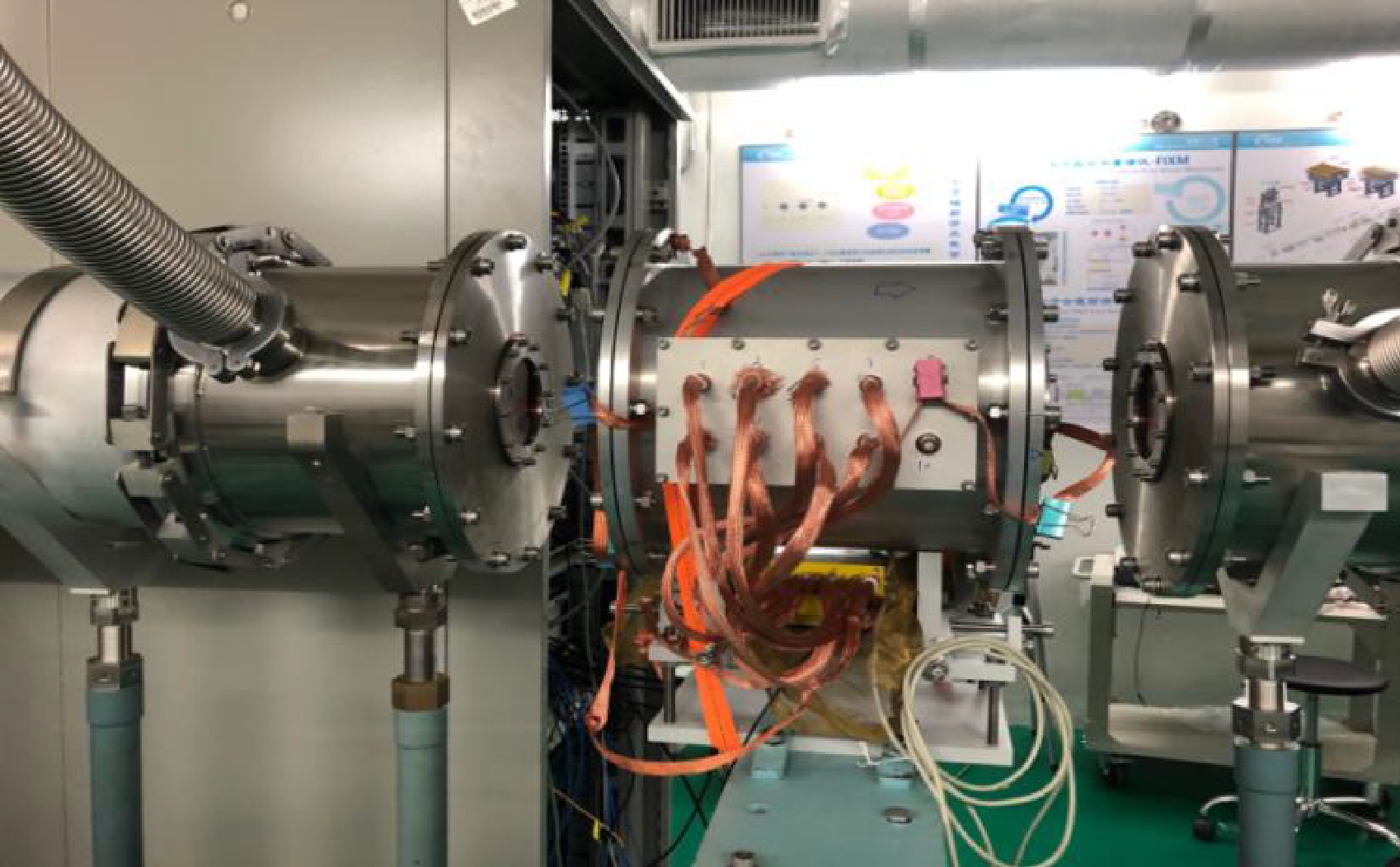
Figure 8.(color online) Improved FIXM in Back-n beamline.
-
The fission cross-sections of236U and238U relative to235U were primarily measured by the TOF method and FIXM with the single bunch mode and a beam power of 10 kW. The235U and238U fission cross-sections are adopted as a standard from 0.15 to 200 MeV and from 2 to 200 MeV [25], respectively. The FIC consists of three cells of high purity235U, three cells of high purity238U, a cell of high purity236U, and an empty cell. The abundances of235U,238U, and236U were 99.985%, 99.998%, and 99.944%, respectively. The diameter of the neutron beam spot of 60 mm was larger than that of the nuclide coating of 50 mm. The original data were decoded into ROOT file for data analysis. The flight distance was calibrated by the resonance peak of the235U(n,f) reaction at 8.77 eV, and the flight times of the neutrons were calculated through the gamma-flash and fission signals. The distributions of the pulse height and neutron energy of the recorded signals were analyzed. The measured resonance peaks of the235U(n,f) reaction in the fission events-neutron energy spectrum are in good agreement with those of ENDF/B-VIII.0 evaluation [21,26], as shown inFig. 9. The published results are briefly introduced below.
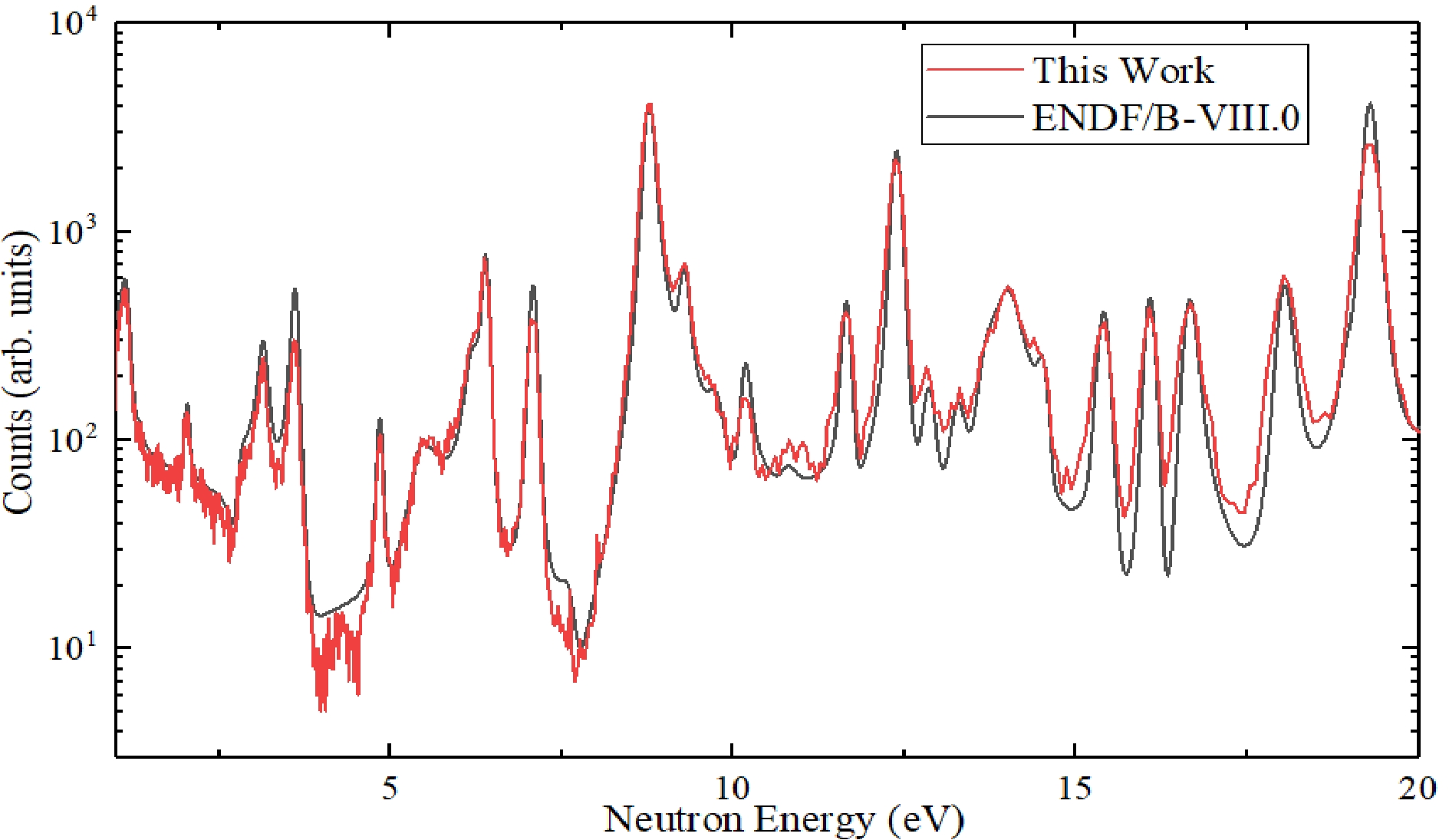
Figure 9.(color online) Comparison of measured235U (n,f) resonance peaks with ENDF/B-VIII.0 evaluation.
The238U/235U fission cross-section ratios in the neutron energy region of 1-20 MeV were measured, where the FWHM of the proton pulse width was approximately 41 ns. Relevant corrections were made in the processing of experimental data, including the efficiency and the number of atoms in the sample. The influence of the non-uniformity of the white neutron beam, the attenuation of neutron flux in the detector, the impurity isotopes in the sample, and background events were all considered. The experimental uncertainty mainly comes from the statistical counts of fission events and the quantification of the deposit. The relative experimental uncertainty of238U/235U fission cross-section ratio is 4.1-11% in the region of 1-1.4 MeV and 2.3-3.6% in the region of 1.4-20 MeV. The measured data agree with those of the ENDF/B-VIII.0 evaluation well within the range of experimental uncertainty at most energy points [27], as shown inFig. 10.
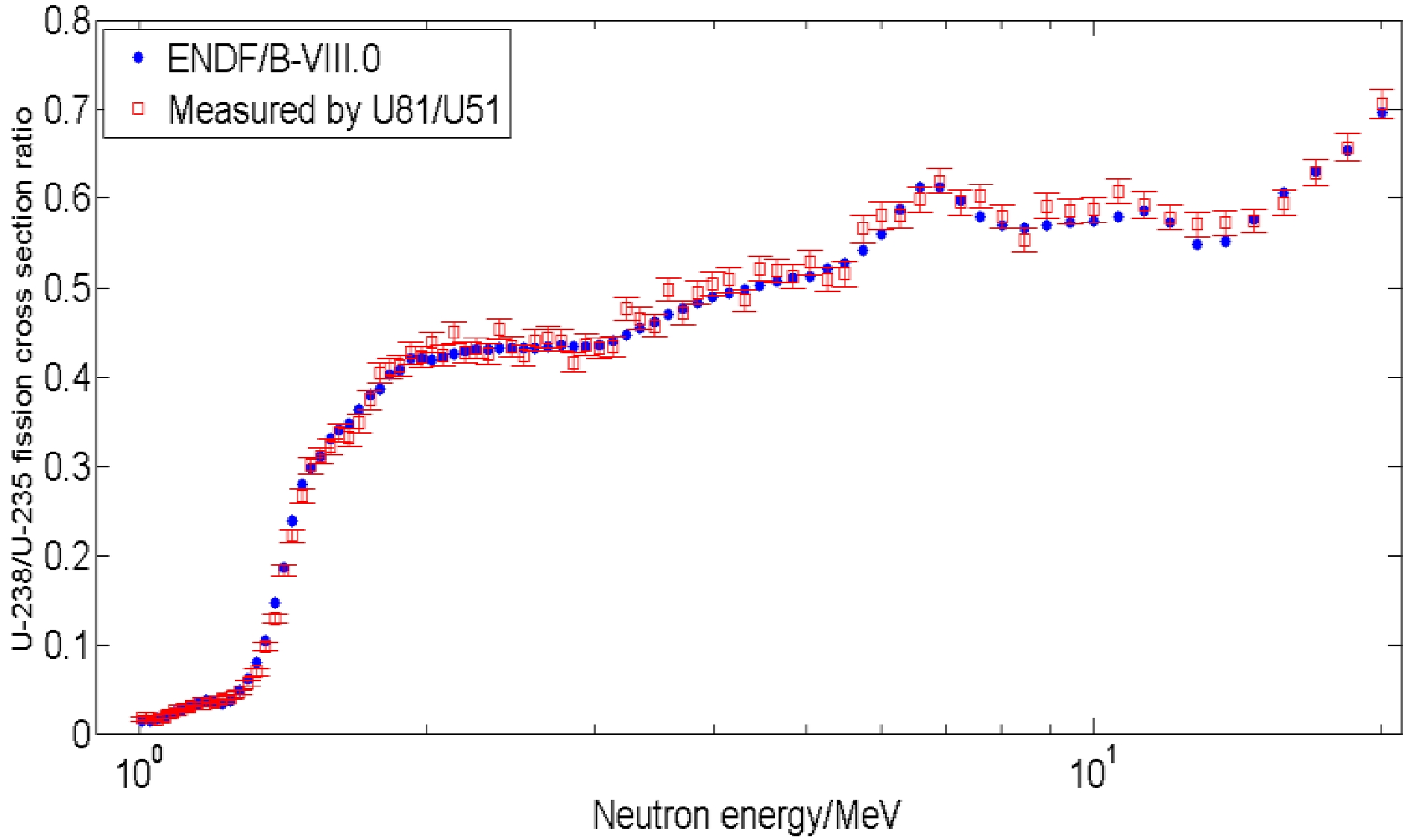
Figure 10.(color online) Measured238U/235U fission cross-section ratio compared to evaluation from 1 to 20 MeV.
The236U/235U fission cross-section ratios in the neutron energy region of 0.4-40 MeV were measured. The data processing method is the same as described above. The experimental uncertainty is 11.2-2.7% in the region of 0.4-1 MeV and 2.7-2.6% in the region of 1-40 MeV, respectively. The measured results generally agree with the existing experiments with the same method. Based on the235U fission cross-section standard, the measured236U fission cross-sections were determined. The result confirms the current evaluations from 0.4 to 40 MeV in most energy points. The236U(n,f) cross-sections were analyzed using the nuclear reaction theoretical model and the calculation program UNF. The present theoretical result reproduces the experimental data and Tovesson data [25], and it is better than that of ENDF/B-VIII.0 in the second fission energy region [28], as shown inFig. 11.
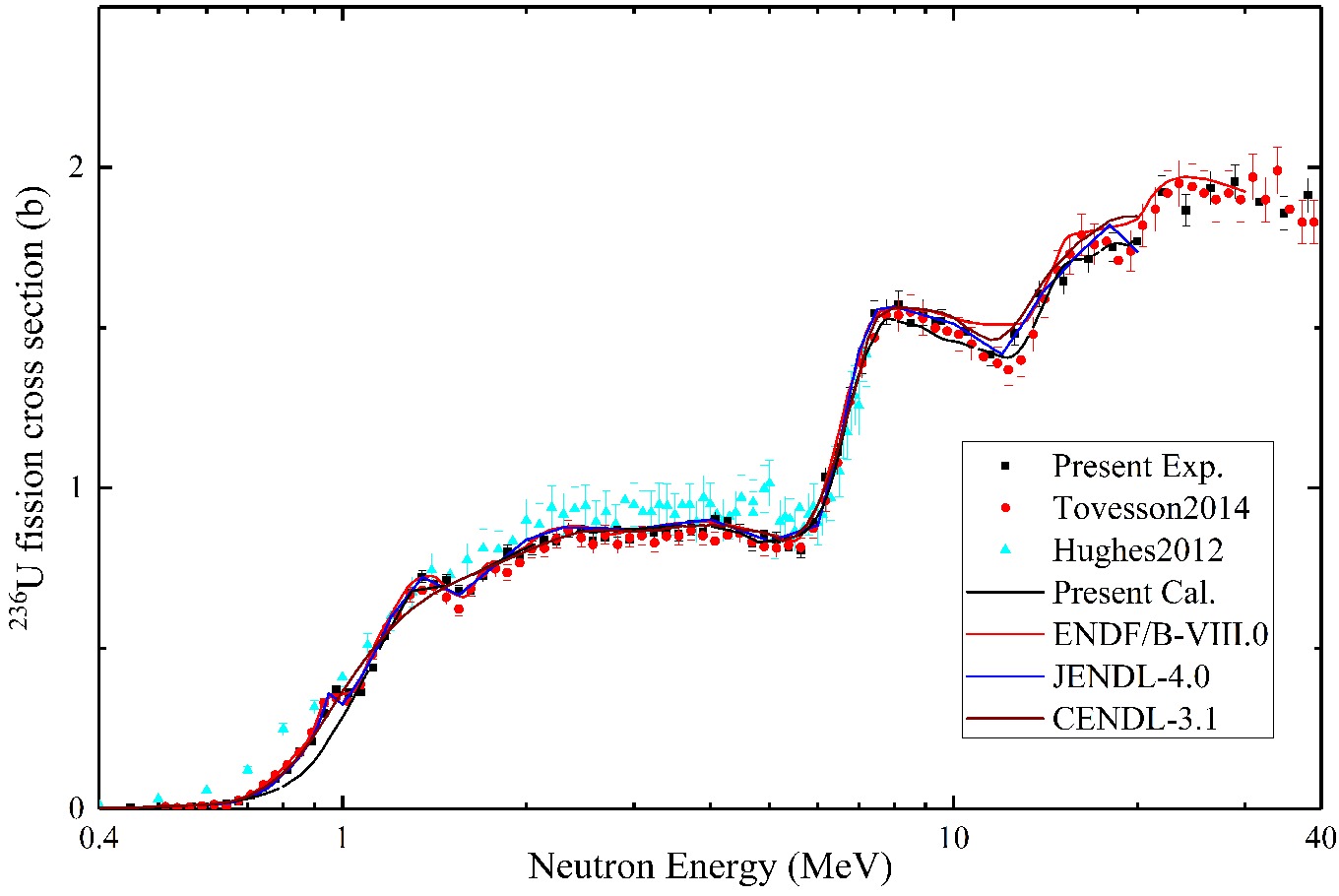
Figure 11.(color online) Measured236U fission cross-sections compared to calculation, previous data, and evaluations in 0.4-40 MeV.
The experiments on fission cross sections of232Th and239Pu relative to235U, including232Th(n, f) relative to1H(n, p) reaction, were performed with the double bunch mode. Preliminary results are being analyzed.
The measured results show that FIXM has good performance and the method of data analysis is reliable. The experimental data can be used in relevant evaluations. The experiments lay a good foundation for the measurements of fission cross-sections of other nuclides in the future.
A. Spectrometer FIXM
B. Experiments on fission cross-sections
-
The neutron total cross-section is a basic quantity of nuclear data, and plays an important role in nuclear science and technology. The accurate measurements of the neutron total cross-sections for a series of nuclides are essential for the design of new nuclear facilities and the safety assessment of the reactor, and provides a verification for the neutron-nucleus optical potential [29]. The evaluated total cross-sections of some nuclides still have certain discrepancies, and the existing data also show discrepancies among different measurements [30]. The present experiments are performed using the transmission method and the Neutron Total Cross Section Spectrometer (NTOX) at Back-n. In the past three years, the total cross-sections of12C,27Al,9Be, andnatLi were measured.
-
NTOX was established as a Day-one spectrometer at Back-n. It consists of a sample changer, a multi-cell fast fission chamber loaded with235U and238U with standard fission cross-sections, and the front-end electronics that is connected to the common readout electronics and DAQ. Since the fission chamber is almost insensitive to gamma rays, it is ideal as a neutron detector in total cross-section measurements.
The arrangement of total cross-section experiments must be in a "good geometry", as shown inFig. 12. The sample series held by a changer were located at ES#1 with a flight distance of approximately 55 m. The neutron detector, the same one as used in FIXM, was located at ES#2 with a flight distance of approximately 76 m. The diameters of beam spots were approximately 60 mm at ES#1 and 30 mm at ES#2, respectively, with the help from the two collimators. The scattered neutron background can be reduced by the long distance and Collimator#2 between the sample and the detector.
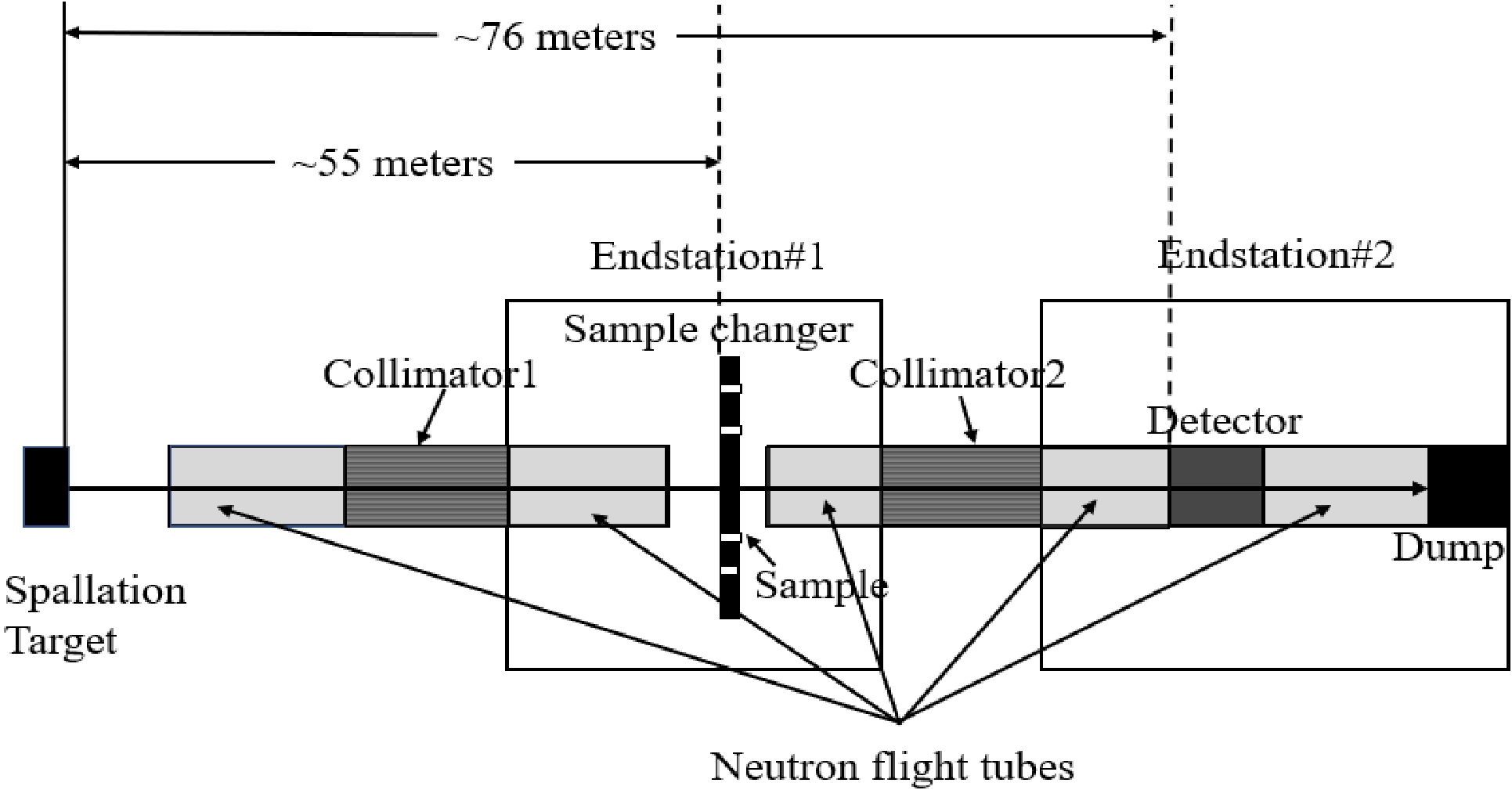
Figure 12.Geometric schematic for the total cross-section measurements at Back-n.
The size of a sample referred to the desirable resonance region and the beam spot at ES#1 must be suitably selected. The diameter of a sample must be 70 mm. To increase neutron counts and decrease scattered neutrons, a transmission of 0.5 to 0.7 is preferred.
-
The total cross-sections of12C and27Al were primarily measured using the TOF method and NTOX at the Back-n of CSNS with the double bunch mode and beam power of 20 kW. The method of energy calibration is the same as the one used in FIXM. The fission counts-neutron energy spectra of 1 eV to 20 MeV with the sample-in and sample-out are normalized by the proton counts. To increase statistical counts, the counts with the same type of fission cells can be added. The transmission, which is the ratio of neutron counts for the sample-in to those for the sample-out, can be obtained. The neutron total cross-section is determined by the transmission and areal density of sample.
The experimental data of total cross-sections were processed and analyzed. In the double-bunch mode with an interval of approximately 410 ns, the measured neutron energy spectra suffer from the superposition effect in the energy region above keV. The measured spectra with235U cells from 10 keV to 20 MeV and238U cells from 1 to 20 MeV were unfolded by the unfolding code (DemoUnfolding_v3.1) based on the Bayesian principle [31]. The published or submitted results are briefly introduced below.
The graphite sample of 70 mm diameter and 40 mm thickness, with the density of 1.86 g/cm3, was positioned at 55 m from the spallation target. Considering statistical counts, the unfolded spectra with235U cells and238U cells are from 1 to 20 MeV. The measured total cross-sections with235U cells are in good agreement with those with238U cells. For comparison, the evaluated data of carbon in ENDF/B-VIII.0 [26] are broadened using the Gaussian function according to the bunch modes. The measured and unfolded results are generally in agreement with the single-bunch broadening data of ENDF/B-VIII.0, and the positions of the resonance peak of 2.077 MeV are consistent [32], as shown inFig. 13.
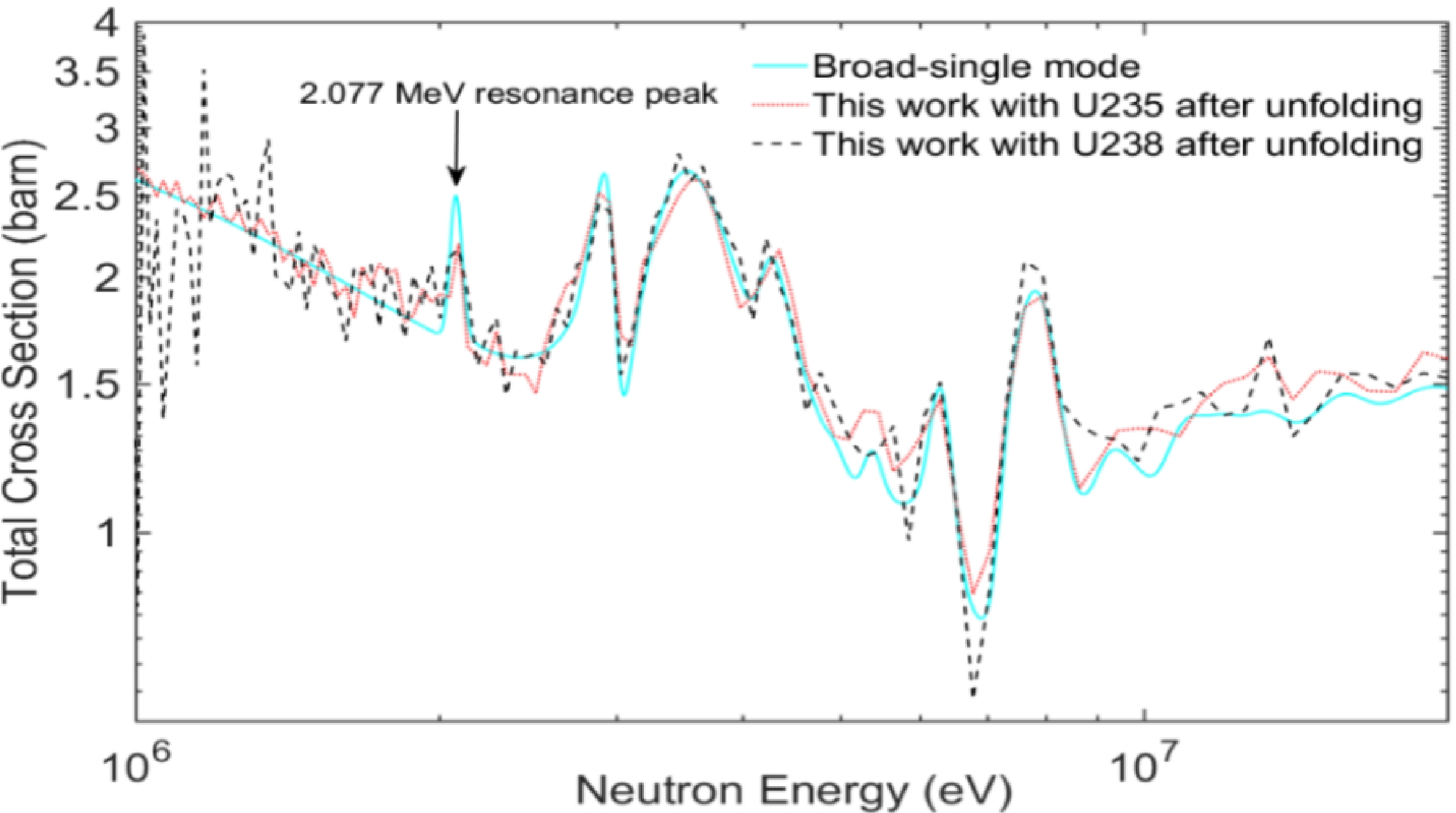
Figure 13.(color online) Total cross-section measurement results with carbon sample and235U and238U cells with single-bunch broadening data of ENDF/B-VIII.0.
Two aluminum samples of 70 mm diameter and of 40 and 60 mm in thicknesses, with a density of 2.69 g/cm3, were positioned at 55 m from the spallation target, respectively. The experimental uncertainty with235U cells from 10 keV to 20 MeV is 0.7-22.3% for Al of 40 mm thickness and 0.6-12.4% for Al with 60 mm thickness, respectively. The total cross-section obtained with two Al samples are consistent, and the results obtained with the235U cells are in good agreement with those with238U cells from 1 to 20 MeV within the range of the experimental uncertainty. The results are in fair agreement with respect to the previous data and the single-bunch broadening data of ENDF/B-VIII.0, and the positions of main resonance peaks are consistent, as shown inFig. 14[33].
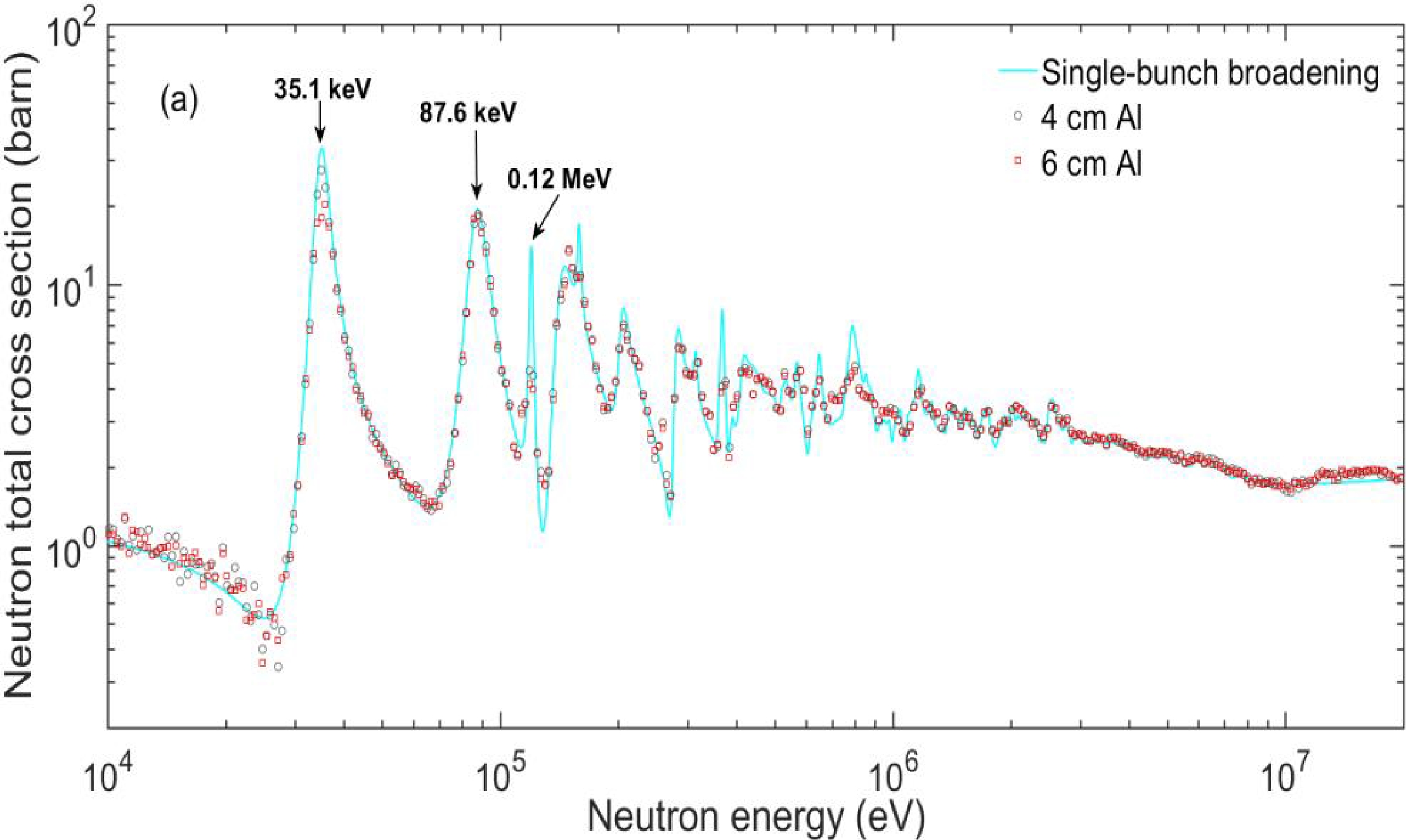
Figure 14.(color online) Total cross-section measurement results with aluminum sample and235U cells with single-bunch broadening data of ENDF/B-VIII.0.
The experiments on the total cross-sections of9Be andnatLi were performed by NTOX with the double bunch mode and the beam power of 100 kW. The data analysis is being processed.
The above results show that the measurements on neutron total cross-sections based on NTOX are feasible. The measured results could provide support for further experiments, relevant design of the nuclear system, and data evaluation.
A. Spectrometer NTOX
B. Experiments on total cross-sections
-
Neutron-induced light-charged particle emission reactions or (n, lcp) reactions are important both in nuclear engineering and for basic research. However, existing measurement results including cross-sections and differential cross-sections are rather scarce due to the difficulties encountered in the measurements. To perform these measurements, suitable experimental conditions are demanded, including the neutron source, the light-charged particle detector, and the sample. The spectrometer LPDA (Light-charged Particle Detector Array) with different configurations has been developed especially for (n, lcp) reaction measurements. Based on the Back-n white neutron beam and different versions of LPDA, several (n, lcp) reactions concerning proton, deuteron, triton and alpha-particles have been measured since 2018, and systematical results have been obtained.
-
LPDA is a 16-unit detector array of ΔE-ΔE-Etelescopes contained in a vacuum chamber. The 16 telescopes are housed in two boxes, as shown inFig. 15. Each telescope was composed of three detectors: an MWPC-type gas chamber as the lower-energy ΔEdetector, a Si-PIN as the higher-energy ΔEdetector, and a CsI(Tl) scintillator as the total energy detector. This combination allows wide detection energy range along with the particle type identification ability. Although the whole system was completed in June 2020, primary versions of the array have been employed since 2018 with simpler configurations [34-35]. The first version of the array included mainly 15 Si-PIN detectors located at different detection angles from 19° to 161° with respect to the incident neutron beam direction (Fig. 16), which has been used for6Li(n, t)4He and10B(n, α)7Li reaction measurements. The second version of the LPDA system was composed of 10 units of ΔE-Etelescopes with particle type identification ability distributed from 10° to 55° with respect to the incident neutron beam direction, which has been used forn-pandn-dscattering measurements. The Si-PIN detectors served as the ΔEdetector, and the CsI detectors as theEdetector (Fig. 17).
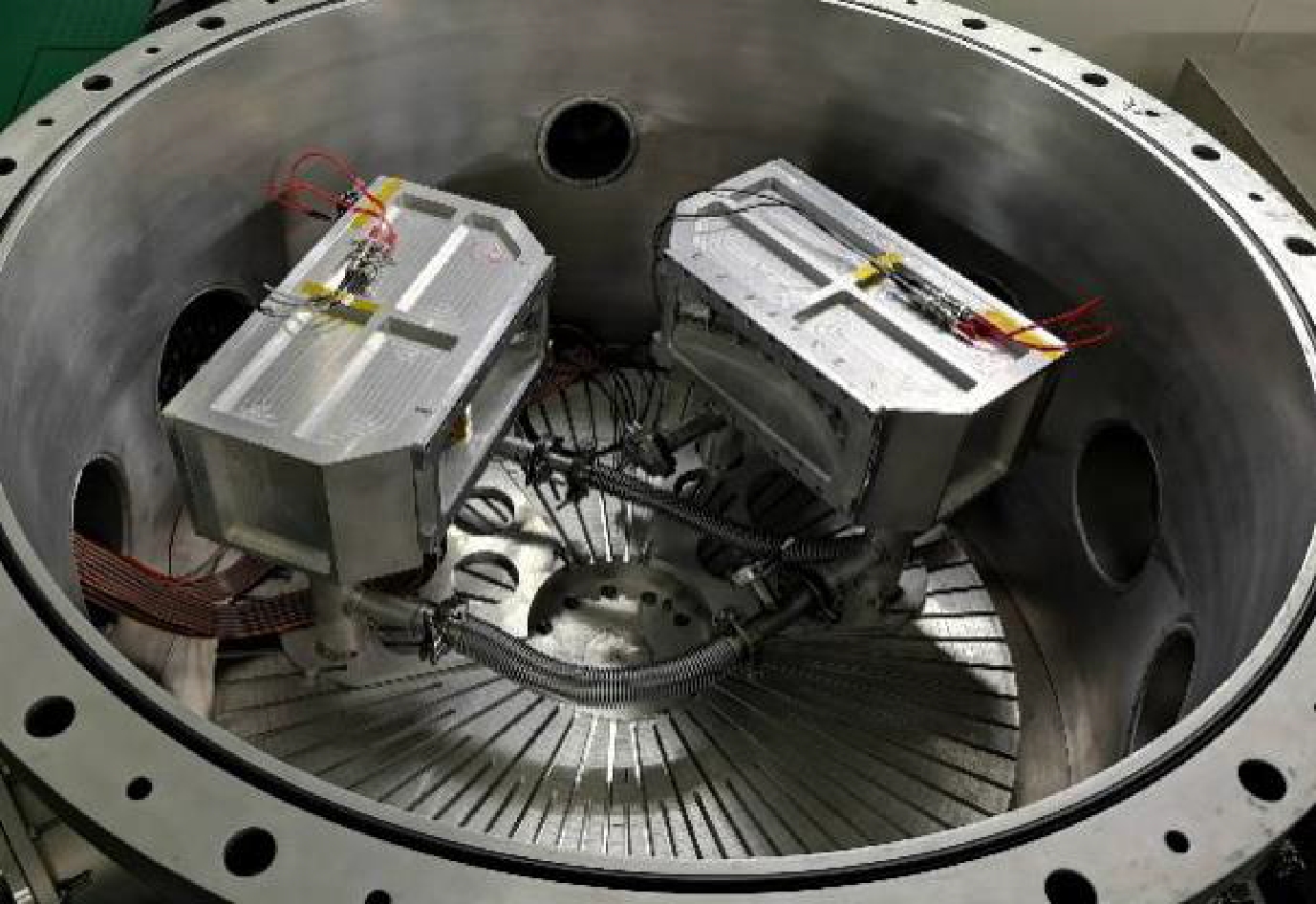
Figure 15.(color online) LPDA detector array in vacuum chamber, with 16 ΔE-ΔE-Etelescopes housed in two boxes.
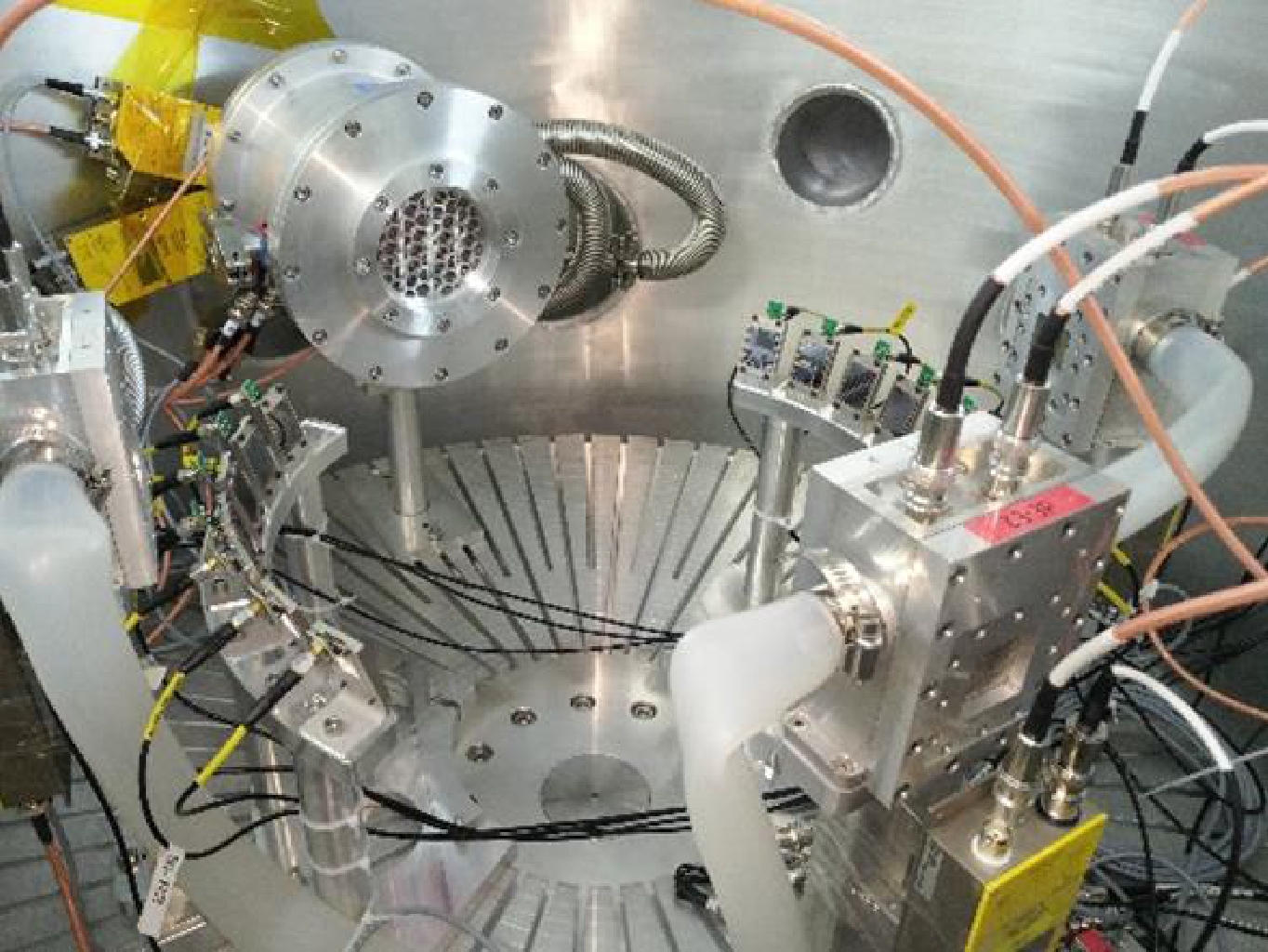
Figure 16.(color online) First version of LPDA.
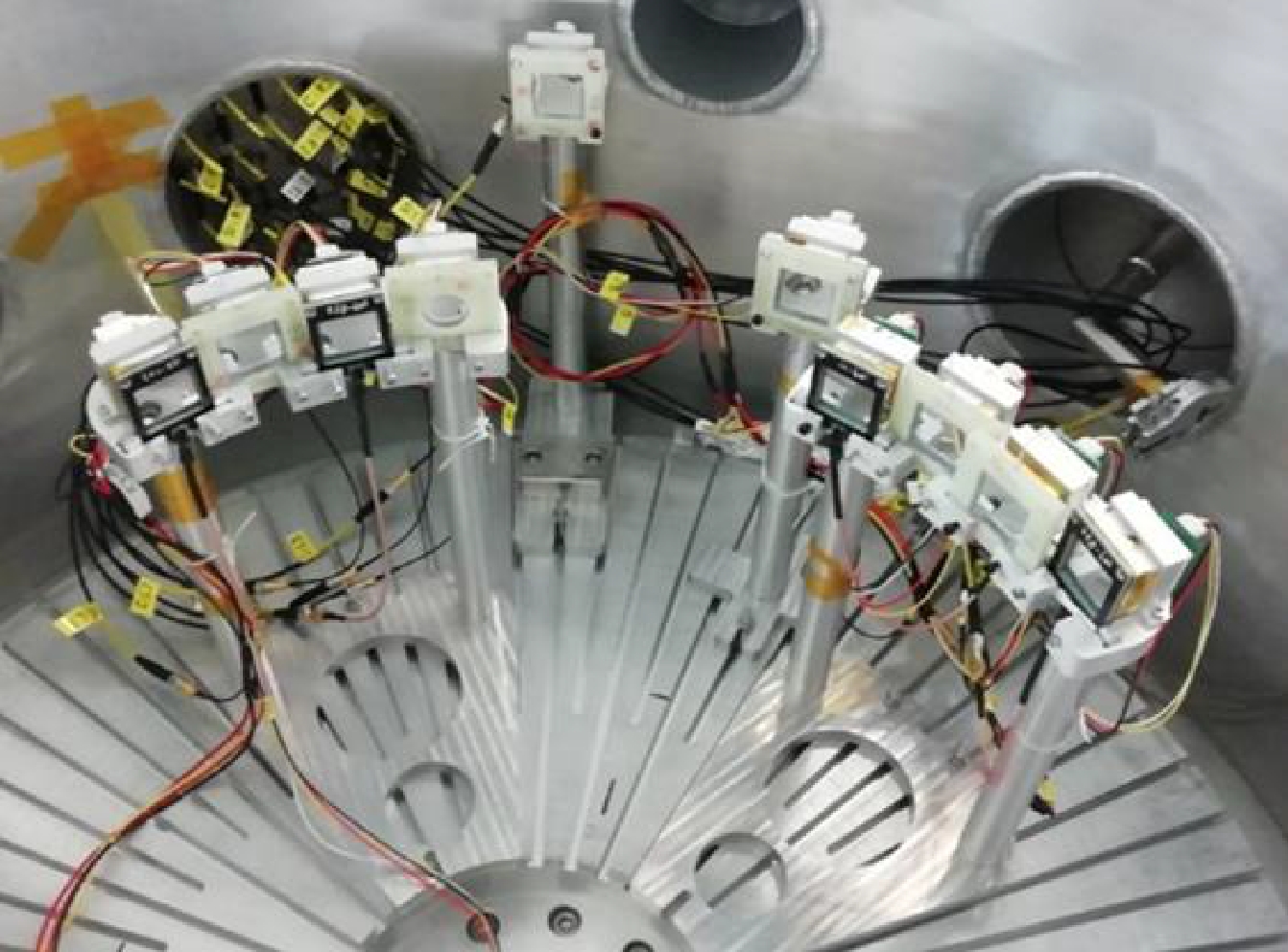
Figure 17.(color online) Second version of LPDA.
-
Using the first version of the LPDA (15 Si-PIN detectors),6Li(n, t)4He, and10B(n, α)7Li reactions were measured in 2018 as the Day-one experiments [36-37]. Measurements were performed at ES#1. The proton beam power was 20 kW with double-bunch mode.
The first (n, lcp) reaction measured at Back-n was the6Li(n, t)4He reaction [36]. Two enriched (90%)6LiF samples (776 and 787 μg/cm2in thickness, and 50 mm in diameter) evaporated on each side of a stainless-steel sheet were used. The6LiF samples, together with a stainless-steel sheet (for background measurement) and two back-to-back241Am α sources (for detection system calibration) were installed in the sample holder, as shown inFig. 18. The measurement duration was approximately 197 hours.
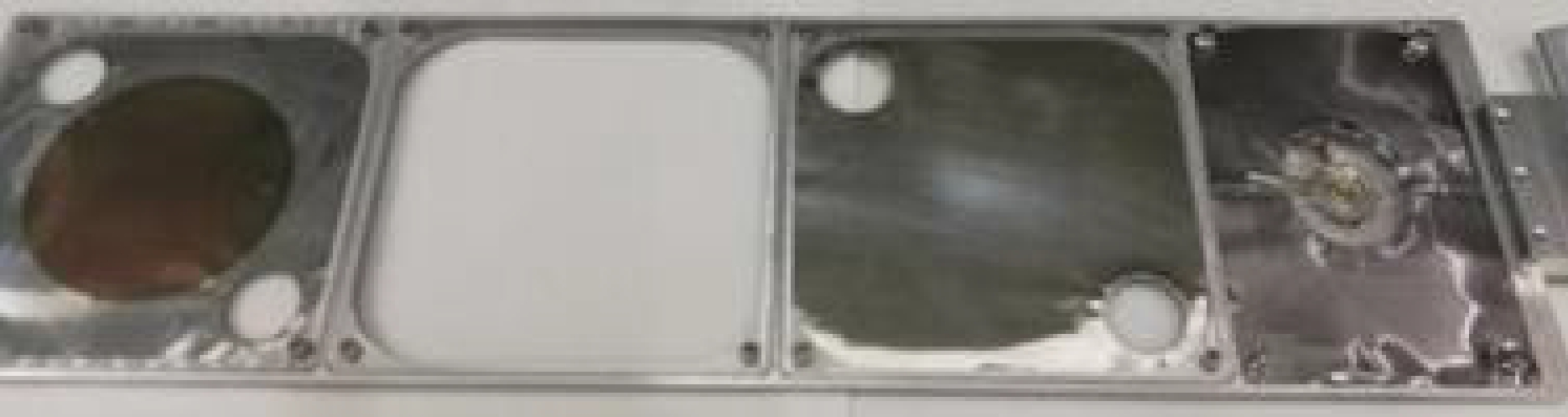
Figure 18.(color online) Samples used for the6Li(n, t)4He reaction measurement (from left to right:6LiF sample, empty sample, stainless-steel sheet, and241Am α source).
The differential cross-sections of the6Li(n, t)4He reaction at 15 angles were obtained (80 neutron energy points from 1.0 eV to 3.0 MeV), among which the data of 50 energies below 0.1 MeV were reported for the first time. The angle-integrated cross-sections were also obtained, as shown inFig. 19.
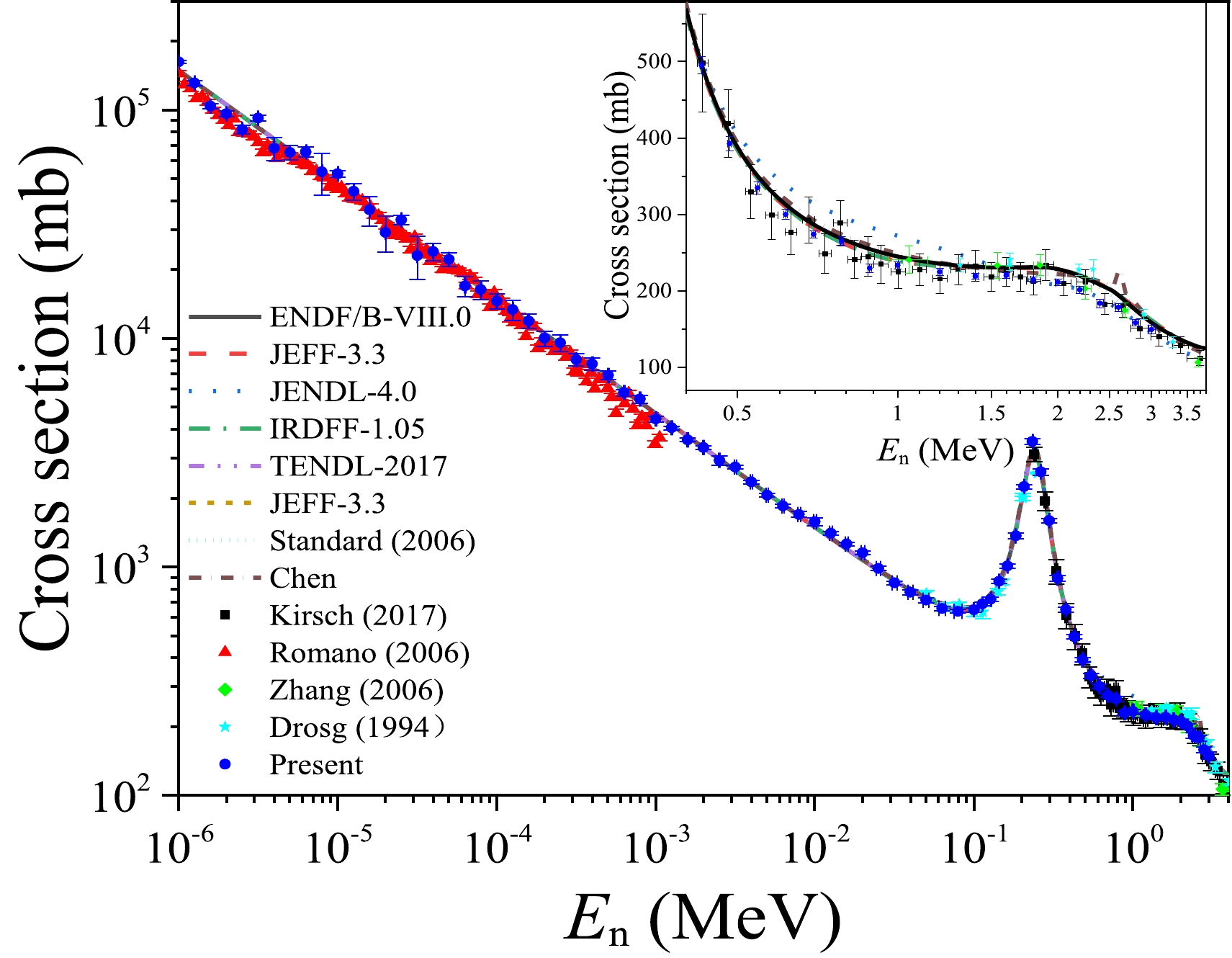
Figure 19.(color online) Measurement results of angle-integrated cross-sections for the6Li(n, t)4He reaction.
The second (n,lcp) reaction measurement performed at Back-n was for the10B(n, α)7Li reaction [37]. Two enriched (90%) thin10B samples (50 mm in diameter and approximately 85 μg/cm2each in thickness, aluminum backing) were prepared as shown inFig. 20. They were back-to-back mounted at the sample holder for measurement, and the measurement duration was 357 hours.
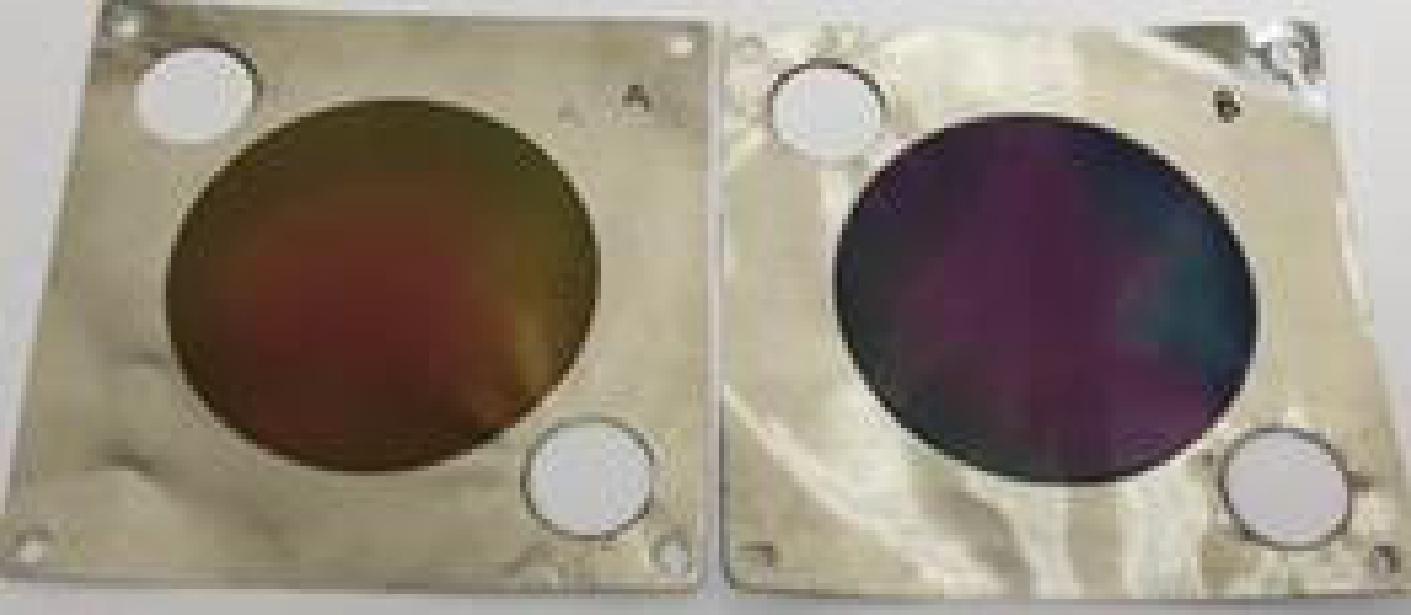
Figure 20.(color online) Two enriched10B samples utilized for the10B(n, α)7Li reaction measurement.
The differential and angle-integrated cross-sections for the10B(n, α)7Li reaction (1.0 eV<En< 2.5 MeV, 67 energy points) and those for10B(n,α0)7Li and10B(n,α1)7Li*reaction channels (1.0 eV<En< 1.0 MeV, 59 energy points) were obtained. Our differential cross-section data are the first measurement results in the 1.2 MeV <En< 2.5 MeV region.
-
Using the second version of LPDA (10 ΔE-Etelescopes, with particle type identification ability),n-pandn-dscattering were measured in 2019. Measurements were performed at ES#1. The double-bunch mode was employed, and the proton beam power was approximately 50 and 80 kW forn-pandn-dscattering experiments, respectively.
The third (n, lcp) reaction measured at Back-n was then-pscattering [38]. A low-density polyethylene sample (94.76 μg/cm2) and a graphite foil (88.20 μg/cm2) were prepared for the foreground and background measurements, respectively.Figure 21shows the samples used for then-pscattering measurement. The measurement beam duration was ~210 h.
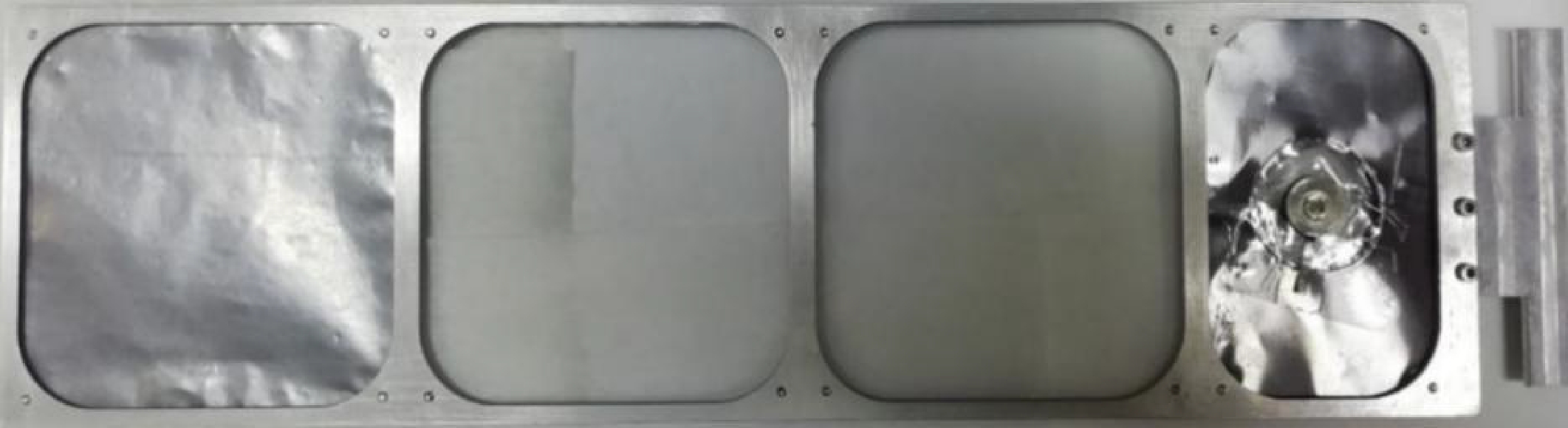
Figure 21.(color online) Samples used forn-pscattering measurement (from left to right: graphite foil, empty sample, polyethylene sample, and241Am α source).
Relative differential cross-sections of the1H(n, el) reaction were obtained from 70° to 160° in the center-of-mass system (23 energy points in the neutron energy range from 6 MeV to 52 MeV). Our data are the first measurement results in the regions of 6.5 MeV≤En≤9.1 MeV, 10.6 MeV≤En≤12.4 MeV, and 18.1 MeV≤En≤20.1 MeV [38].
The fourth (n, lcp) reaction measurement performed at Back-n was then-dscattering. A deuterated polyethylene sample (90% CD2, 32 μm in thickness) was used, as shown inFig. 22for foreground measurement and a graphite foil 20 μm in thickness for background measurement. Total beam duration was approximately 234 hours. Measurement data for then-dscattering are still being analyzed.
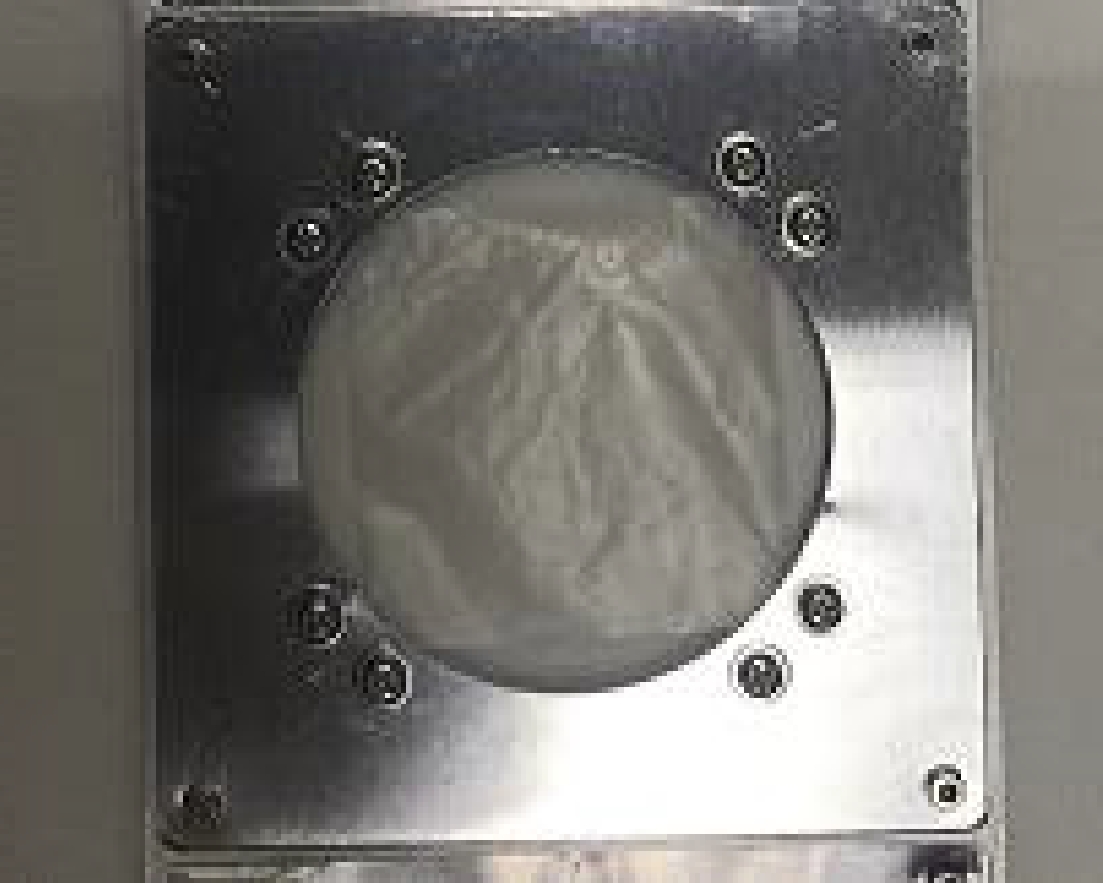
Figure 22.(color online) CD2sample forn-dscattering measurement.
-
The third version (the standard configuration) of LPDA (16 units of ΔE-ΔE-Etelescopes in two boxes) was completed and tested online in June 2020. The first experiment was performed in September 2020. Using the complete LPDA system (Fig. 15), then-pscattering measurement aimed at a wider proton energy region (from approximately 0.5 MeV to nearly 100 MeV) was carried out in October 2020. To reduce the energy loss of the protons in the sample, a polypropylene sample as thin as 4.0 μm was used. A polypropylene sample (C3H6, 4.0 μm in thickness) and a graphite foil (20 μm in thickness) were utilized for the foreground and background measurements, respectively, as shown inFig. 23.
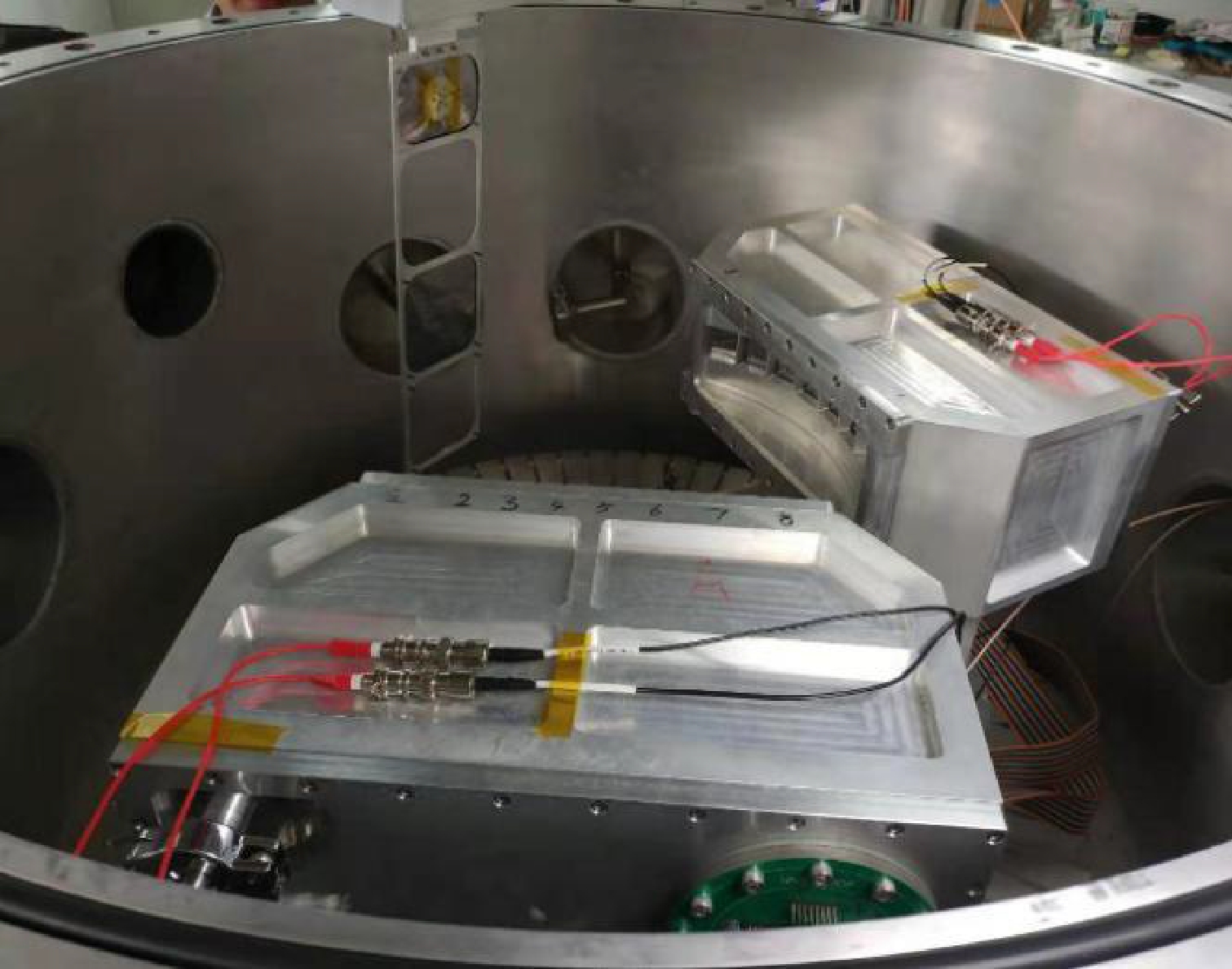
Figure 23.(color online) Samples and LPDA detectors employed for n-p scattering measurement.
The double-bunch mode of the proton beam was used, and beam power was approximately 100 kW. The beam duration was approximately 170 hours. The measurement data are still being analyzed.
Since 2018, four reactions (6Li(n, t)4He and10B(n, α)7Li reactions,n-pandn-dscatterings) involving four kinds of emitted charged particles (proton, deuteron, triton, and alpha-particle) have been measured. Systematic results are obtained and some of the measurement data are still under processing. The reliability of the performance of the LPDA detector system as well as the data analysis method is verified. In the future, more (n, lcp) reactions with wider neutron energy region will be investigated.
-
In addition to the LPDA system, a preliminary SiC array and a TPC (Time Projection Chamber) prototype have been constructed and set up at Back-n for (n, lcp) reaction measurements.
The SiC detector is excellent due to its radiation hardness. A preliminary SiC array of eight units in the forward direction was constructed and tested. Using this SiC array, a normal Si array of eight units in the backward direction and with specially prepared W17O3samples, the17O(n, α)14C reaction was measured. This reaction is highly important in astrophysics. Alpha events from the reaction were observed and recorded, and the measurement data are under processing.
The TPC is characterized for charged particle track detection.Figure 24shows the assembled detector of the TPC prototype (based on a Micromegas detector and AGET electronics), and the number of the hexagonal anode pad is 1519. Compared with the LPDA system, a TPC is considerably more complex in structure and electronics with particle type identification ability and with 2π even 4π detection solid angle. The test of the TPC prototype was completed, and two trial experiments on12C(n, p)12B and14N(n, p)14C reactions were performed at Back-n. The preliminary results were promising; however, further improvements in the data analysis method and electronics are required. Upgrading of the TPC prototype is also in progress.
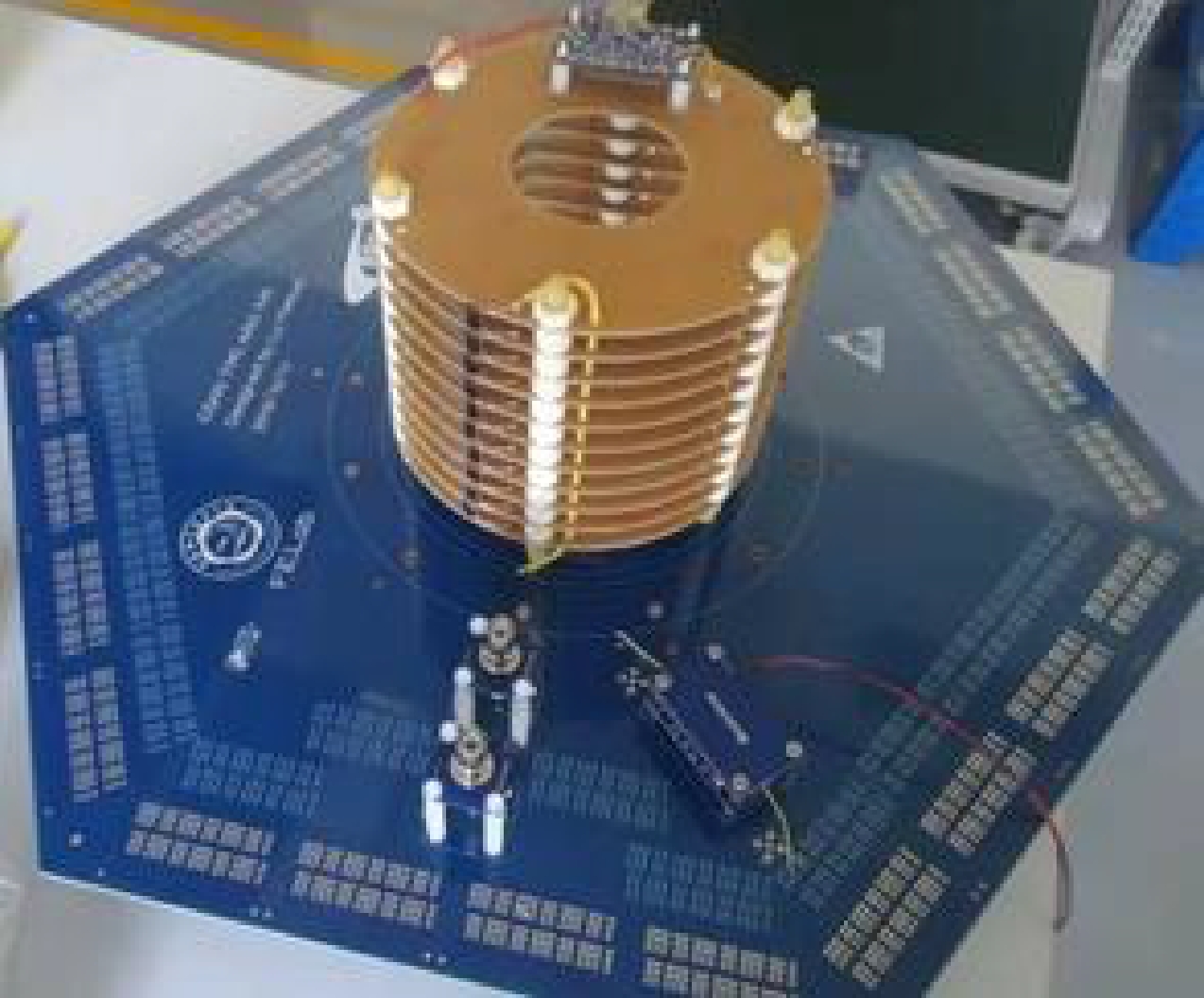
Figure 24.(color online) Assembled TPC prototype (detector and readout electronics).
A. Spectrometer LPDA
B. Measured reactions and main results
1. Measurements using first version of LPDA
2. Measurements using second version of LPDA
3. Measurement using third version of LPDA
C. Experiments using a preliminary SiC array and a TPC prototype
-
Owing to its high flux and wide energy spectrum neutrons, Back-n also has significant potential in the gamma production cross-section and nuclear structure research. Since Back-n was put into operation, a number of experiments have been carried out in this field, including measurements of the neutron inelastic scattering cross-sections of56Fe, Mo, and Ti isotopes, the test experiment on16O(n,γ) reaction cross-section, the shape evolution study on Ru isotopes, the structural properties of the residual nuclei of Lu isotopes, the measurement of209Bi(n,xnγ) cross-sections, the measurement of the low-lying excited-state lifetimes for155Eu and55Cr, and the experiment of the90Zr(n,γ) reaction cross-section. At present, most of the experimental data are being processed. Because of the influence of strong gamma flash and delayed gamma rays in the neutron beam, HPGe detectors are easily saturated, and thus, more experiments are needed to explore the best experimental conditions.
-
Inelastic neutron scattering is a significant energy-loss mechanism, which exerts a significant influence on the design of nuclear reactor and radiation shielding. The cross-sections of inelastic neutron scattering on56Fe are important nuclear data, in particular for the design of Accelerator Driven Sub-critical System (ADS) and other nuclear apparatus.
The experimental setup at Back-n is as follows: a CLOVER detector was placed at 125° with respect to the incoming neutron beam to measure prompt gamma-ray; the natural iron sample is a disk with a diameter of 50 mm and a thickness of 1 mm. The cross-section can be deduced by comparing the measurements of results between the56Fe sample and a52Cr sample.
Figure 25shows the preliminary analysis result for the experiment [39], with the two-bunch operation mode. Theγemissivity ratios of 847 keV (Fe) and 1434 keV (Cr) are compared with the one from GELINA. The normalized emissivity ratio is equal to the cross-section ratio. From this figure, one can find that the emissivity ratio is consistent in the entire TOF time range, and the data curve shape is similar.
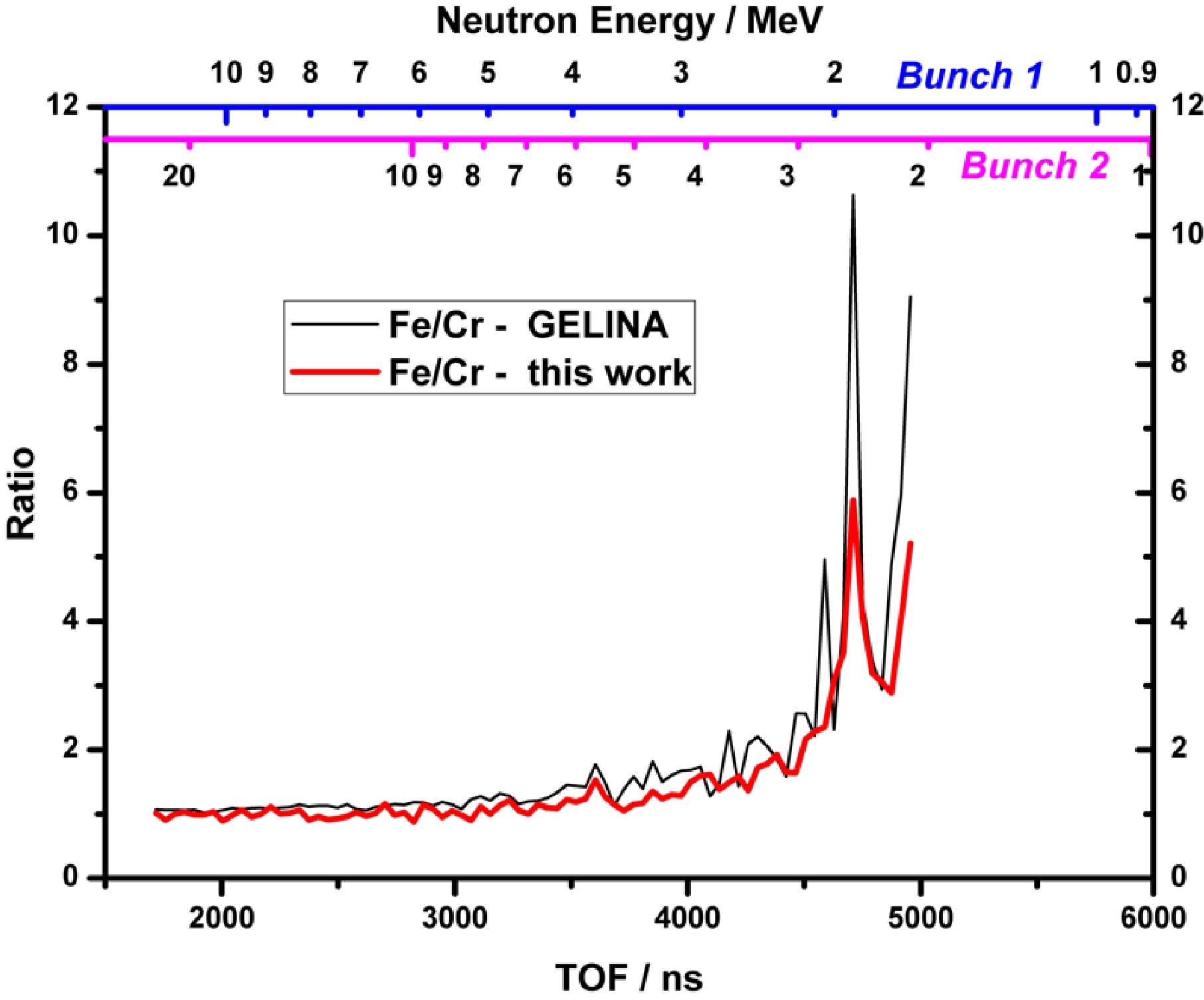
Figure 25.(color online) Comparison of γ emissivity ratio of 847 keV (Fe) and 1434 keV (Cr) with GELINA.
Subsequently, the209Bi(n,xnγ) cross-sections were also measured, and the related data analysis is ongoing.
-
In the application of the prompt gamma method to measure the neutron reaction cross-section, the accuracy and comprehensiveness of the structural information for the residual nucleus have a significant influence on the measurement accuracy. The in-beam gamma spectroscopy method can be used to determine the nuclear structure information of neutron reaction residual nuclei. Combining this information with theoretical calculations, one can obtain accurate reaction cross-sections.
The excited states of174Lu were populated using the neutron reaction175Lu (n, 2n)174Lu. The natural Lu target is a disk with a diameter of 50 mm and a thickness of 1 mm. The de-excitationγrays from the reaction residues were detected with an array of five HPGe detectors (seeFig. 26), which were arranged at 45°, 55°, 90°, 115°, and 125° with respect to the beam direction. The relative photo-peak efficiency of the detector array and energy calibrations were performed using standard152Eu and133Ba radioactive sources.
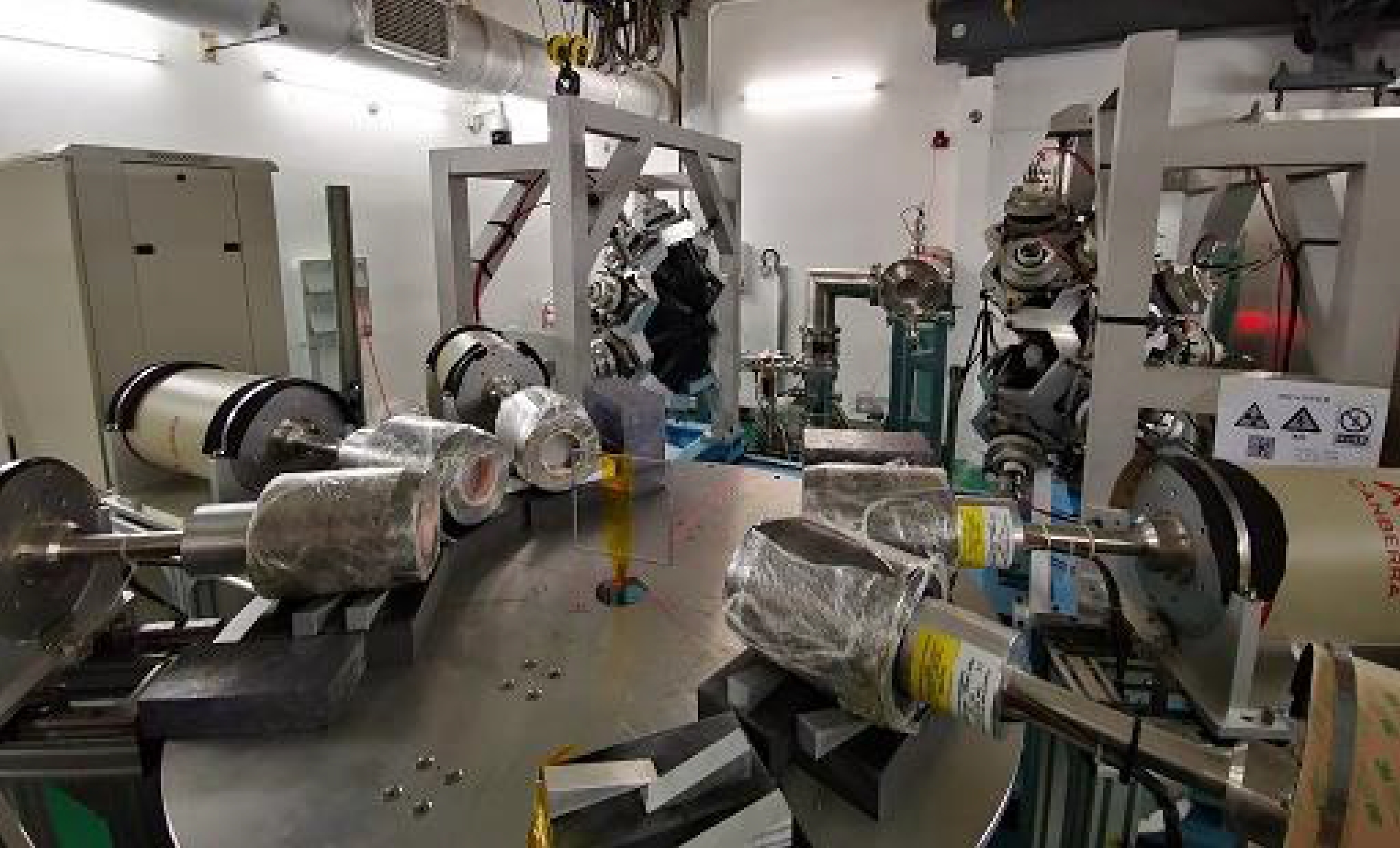
Figure 26.(color online) HPGe detector system for measurement of Lu residual nuclei.
Characteristic gamma rays of the residual nucleus of the Lu isotopes induced by neutron reaction have been observed through the analysis of experimental data (seeFig. 27), and the detailed data analysis is still in progress.
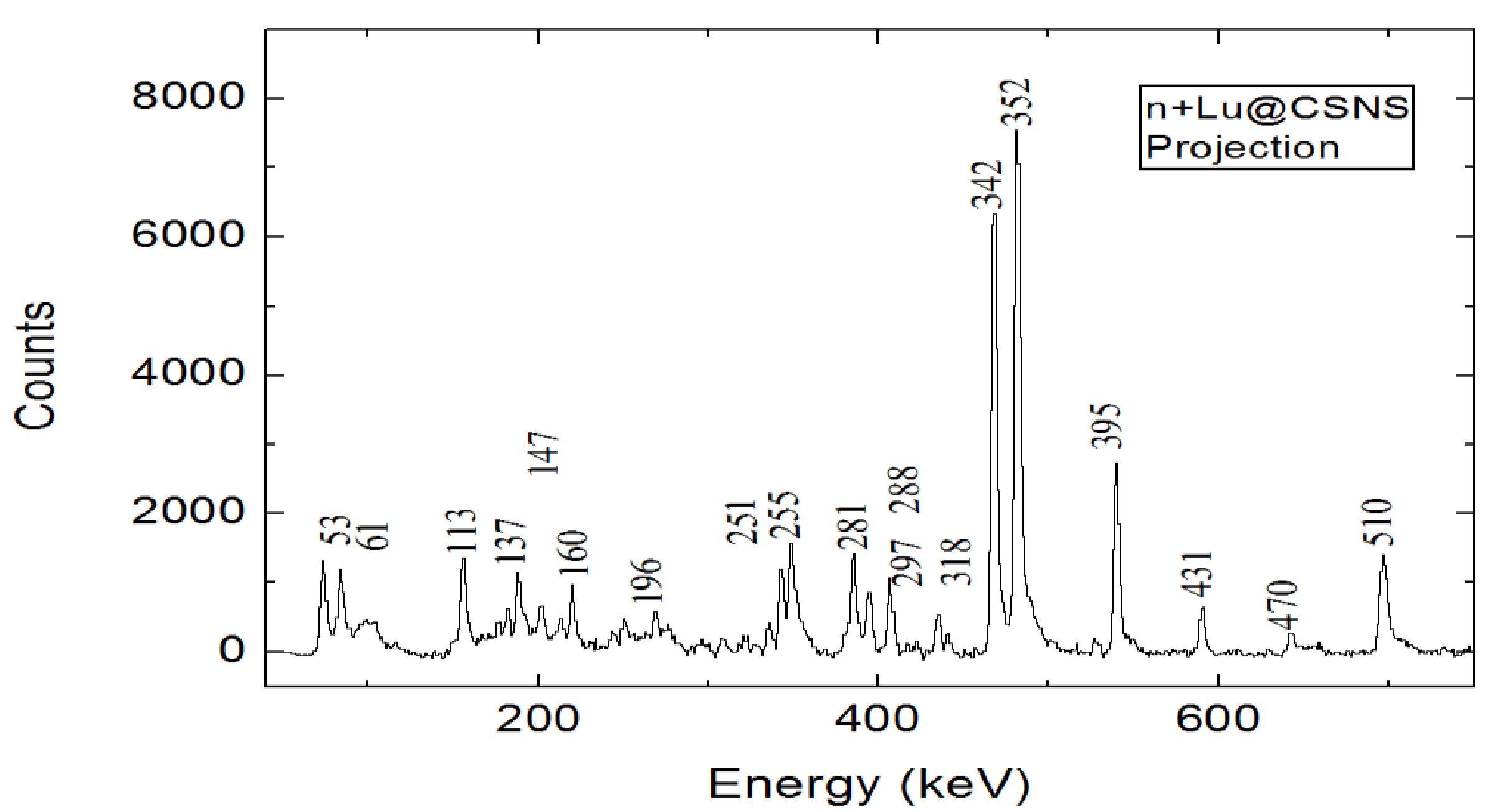
Figure 27.γ-ray spectra for residual nucleus of Lu isotopes induced by neutron reaction.
-
One of the primary issues in nuclear physics focuses on the interplay between single-particle and collective degrees of freedom, which is a manifestation of the many-body nature of the atomic nucleus. As both protons and neutrons move away from the shell closures on the nuclide chart, nuclei undergo a gradual transition from the spherical particle-particle motion to the deformed collective rotation. However, in the mass regions of around 150 and 100, Sm-Gd and Sr-Mo isotopes exhibit a sudden change of ground-state shapes at neutron numbersN> 90 and 60, respectively. The attention of this study is paid to the anomaly in Eu and Mo isotopes. The aim of the present work is to deduce the shapes by measuring the lifetimes of the low-lying excited-state for155Eu and cross-sections for100Mo. Here,155Eu and100Mo were selected as the aimed nuclei, as their neutron numbers approach the transition points 90 and 60, respectively.
The neutron beam bombarded a natural Sm target with a thickness of 3 mm and an upwards slanted angle of 45° relative to the beam direction. The low excited states of155Eu were populated by theβ-decay of155Sm with a half-life of 22.3 minutes succeeded by the neutron capture of154Sm. Theβparticles were detected by two plastic scintillators that were mounted along the up and down directions inside the chamber (seeFig. 28) and coupled to Hamamatsu photomultiplier tubes and have a distance of approximately 5 mm from the target center. Theγrays were detected by two fast timing LaBr3: Ce scintillators of 50 mm in diameter and 75 mm in length that were coupled to the Hamamatsu R9779 PMTs and positioned at the horizontal 90° to the beam axis. A typicalβ-γtiming resolution of approximately 200 ps (FWHM) at 1332 keV of a60Co source is sufficient to measure the lifetimes of the low-lying excited-states. An HPGe detector with an energy resolution of approximately 2.5 keV (FWHM) for 1332.5-keVγray was used to make up for the low energy resolutions of the LaBr3detectors and identify characteristicγrays.
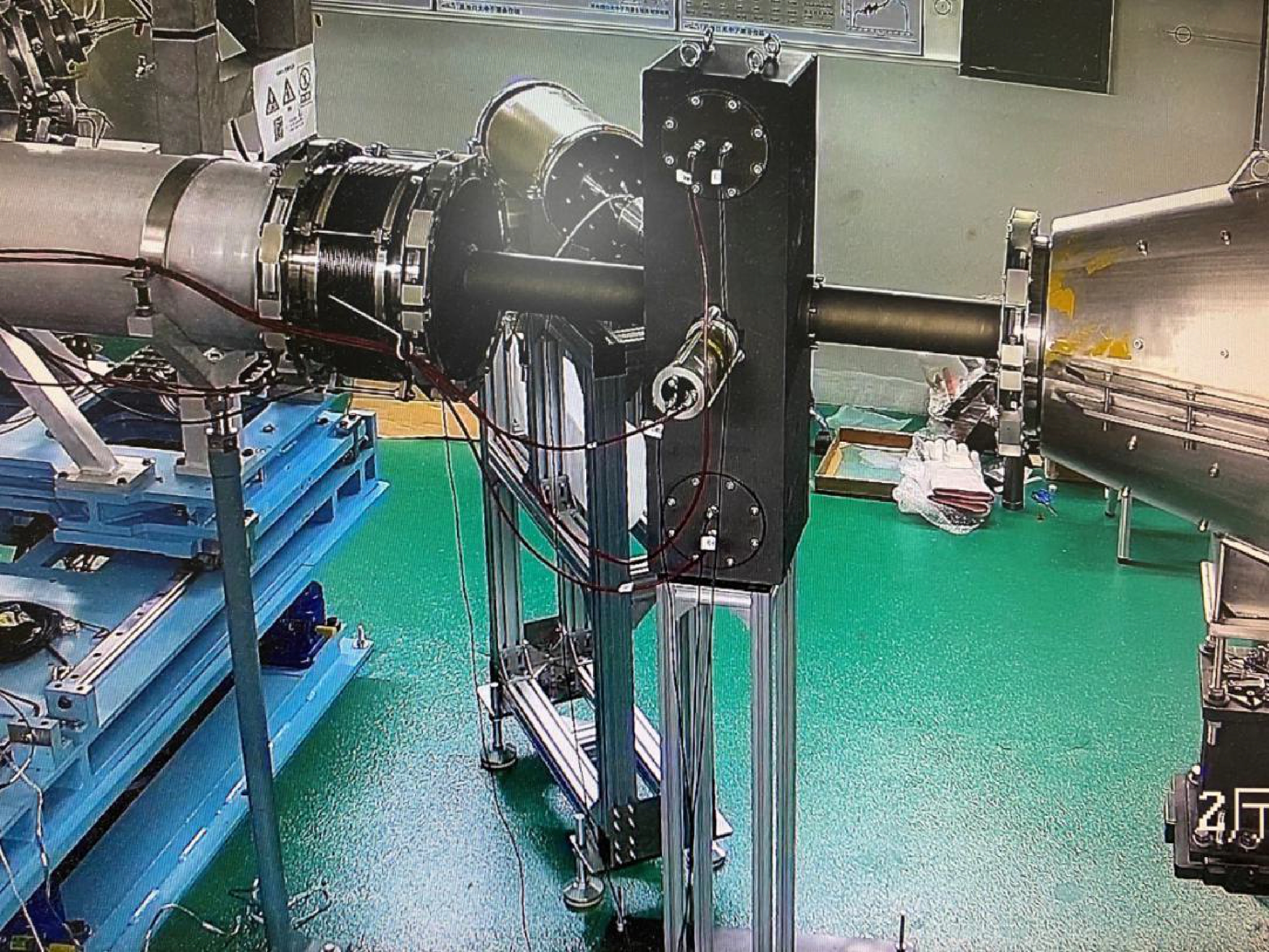
Figure 28.(color online) Experimental set-up for measuring lifetimes of low-lying excited-state for155Eu and cross-sections for100Mo.
Notably, evidentβparticles were observed in the experiment by plastic scintillators. These particles arise from155Sm, rather than other Sm precursors, also following the neutron capture. This is because these precursors have too long lifetimes to observeβparticles. By gating on theβpeak,γrays belonging to155Eu become prominent. The data analysis is still in progress.
In the other experiment, the low excited states of100Mo were populated by the inelastic scattering of high-energy neutron from a natural Mo target in the atmosphere with a thickness of 10 mm. The de-excitingγrays were detected by two 90° and two backward HPGe detectors. Theγ-ray yields the production cross-sections of the excited-states. However, theγflash coming together with the neutron beam prevents the HPGe detectors from properly detecting the de-excitingγrays. Apart from the first 2+state, theγrays from the de-exciting of the other low-lying excited states were not observable. Only the first 2+state is insufficient to study the shape coexistence (two 2+or 0+states are often indispensable). Further efforts are needed in the future to improve this kind of experiments.
Similar measurements with natural90Ti and54Cr targets were also performed, and the data analysis will be initiated shortly.
-
Approximately half of the elements heavier than iron in the universe are synthesized through thes-process, which is an important research field for understanding the origin of the elements. Zirconium is located on thes-process path, and the neutron numbers of its isotopes are close to the magic number of 50; thus, the neutron capture reactions of Zr isotopes are important bottleneck reactions on thes-path, and the astrophysical reaction rates of these Zr isotopes are important for studying the abundance and evolution of related nuclide. However, the experimental data in the astrophysics interest zone are scarce. Because the detectors used in the previous experiments have difficulty in distinguishing the gamma rays generated by the effect and the interference, there are significant differences among different experimental results. Therefore, a high-precision experimental measurement is required to clarify the disagreement.
In this study, the natural Zr metal target was bombarded by the white neutron beam. The specific gamma rays of91,92,93,95Zr were detected with the HPGe detectors, where the experimental setup is similar toFig. 26. The typical spectrum of gamma energy for91Zr(n,γ)92Zr is shown inFig. 29. The data analysis to obtain the neutron capture cross-sections of90,91,92,94Zr is in progress.
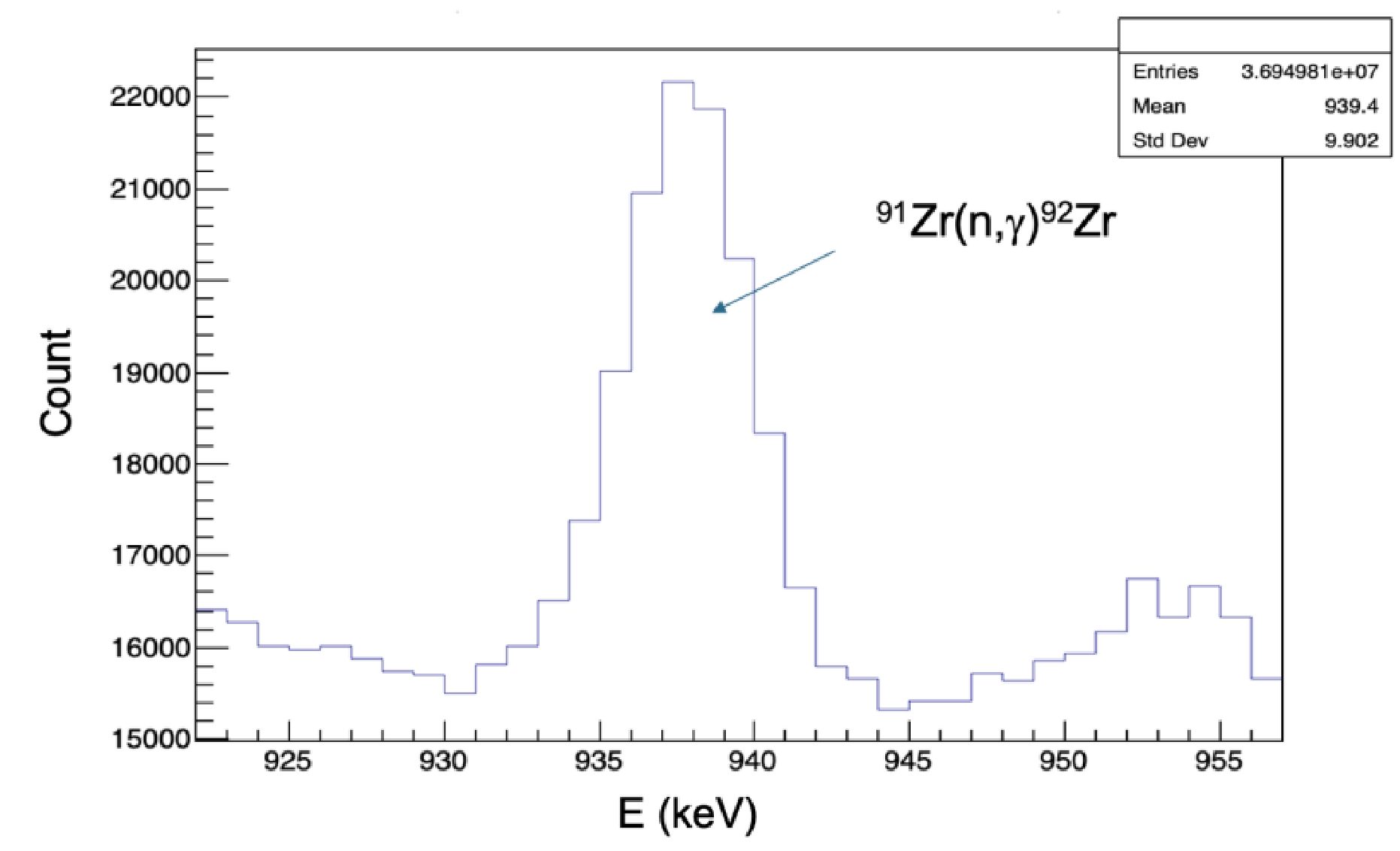
Figure 29.(color online) Specific gamma ray of91Zr(n,γ)92Zr.
A. Measurement of inelastic scattering cross-section on56Fe
B. Structural properties of residual nuclei of Lu isotopes induced by neutron reaction
C. Measurement of lifetimes of low-lying excited-state for155Eu and cross-sections for100Mo
D. Measurement of90,91,92,94Zr(n,γ) reaction cross-sections
-
The Back-n facility has been employed in neutron-induced nuclear data measurements since May 2018, and more than forty nuclides concerning different types of cross-sections have been measured. Although most of the measurement data are still under analysis, the overall performance of the neutron beamline and the experimental spectrometers has been remarkable. The already published results have gained international recognition, especially those about the standard cross-sections, e.g.,6Li(n,t),10B(n,α), H(n,el), and238U(n,f)/235U(n,f).Table 2summarizes all experiments concerning nuclear data measurements in the period.
Nucleus Reaction Spectrometer Endstation Comment Nucleus Reaction Spectrometer Endstation Comment 197Au (n,γ) C6D6/GTAF-II ES#2 Ref. [16] 239Pu (n, f) FIXM ES#2 169Tm (n ,γ) C6D6/GTAF-II ES#2 232Th (n-p) (n, f)+(n, p) FIXM+LPDA ES#1+2 57Fe (n,γ) C6D6 ES#2 6Li (n, lcp) LPDA ES#1 Ref. [36] natSe (n,γ) C6D6 ES#2 10B (n, lcp) LPDA ES#1 Ref. [37] 89Y (n,γ) C6D6 ES#2 1H (n, lcp) LPDA ES#1 Ref. [38] natEr/162Er (n,γ) C6D6 ES#2 2H (n, lcp) LPDA ES#1 232Th (n,γ) C6D6 ES#2 63Ni (n, lcp) LPDA ES#1 238U (n,γ) C6D6/GTAF-II ES#2 17O (n, lcp) SiC array ES#1 93Nb (n,γ) C6D6 ES#2 12C (n, lcp) TPC proto ES#1 natLu (n,γ) C6D6 ES#2 14N (n, lcp) TPC proto ES#1 63,65Cu (n,γ) C6D6 ES#2 56Fe (n,n'γ) multi-unit HPGe ES#2 Ref. [39] natSm (n,γ) C6D6 ES#2 16O (n,γ) multi-unit HPGe ES#2 151,153,155Eu (n,γ) C6D6 ES#2 natMo (n,n'γ) multi-unit HPGe ES#2 12C (n, tot) NTOX ES#1+2 Ref. [32] natRu (n,n'γ) multi-unit HPGe ES#2 27Al (n, tot) NTOX ES#1+2 Ref. [33] 175Lu (n, 2n) multi-unit HPGe ES#2 9Be (n, tot) NTOX ES#1+2 natTi (n,n'γ) multi-unit HPGe ES#2 7Li (n, tot) NTOX ES#1+2 209Bi (n,n'γ) multi-unit HPGe ES#2 235U (n,f) FIXM ES#2 Refs. [26,27] 90,91,92,94Zr (n,γ) multi-unit HPGe ES#2 238U (n, f) FIXM ES#2 Ref. [27] 54Cr (n,γ) LaBr3 ES#2 236U (n, f) FIXM ES#2 Ref. [28] 154Sm (n,γ) LaBr3 ES#2 232Th (n, f) FIXM ES#2 Table 2.Nuclear data measurement experiments conducted at Back-n.
To make full use of the high intensity of the neutron beam at Back-n, appropriate experimental methods must be developed. This is particularly important for the treatment of background, mostly coming together with the beam and strongly dependent on the experimental setup. The promptγ-rays (orγflash) and delayedγ-rays contained in the neutron beam pose critical problems to the experiments involvingγ-ray measurement. Both the background suppression methods and data analysis methods are being studied.
The planned spectrometers for nuclear data measurements, such as the 4π coverage HPGe detector array, multi-functional TPC, and neutron detector array for measuring prompt fission neutron spectrum, are important to exploit the potential of the Back-n beam, which is the development goal of the facility in the future.


 DownLoad: